

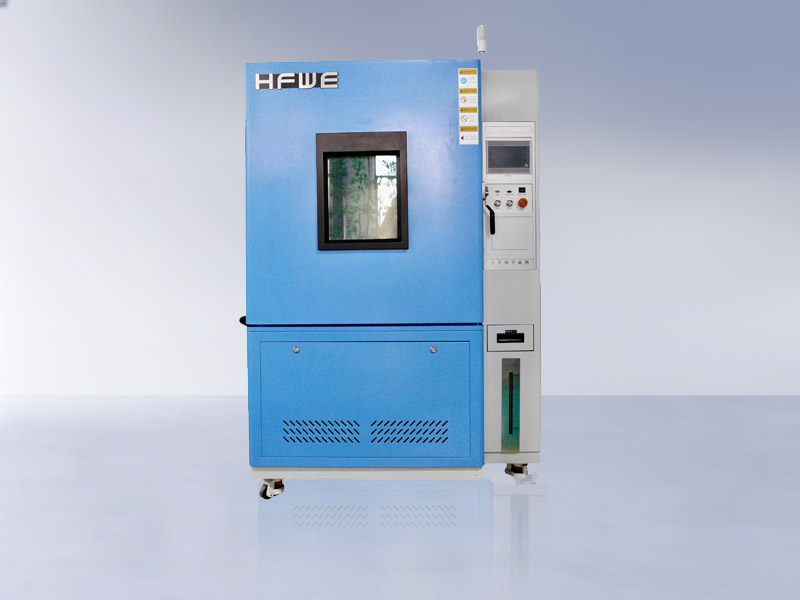
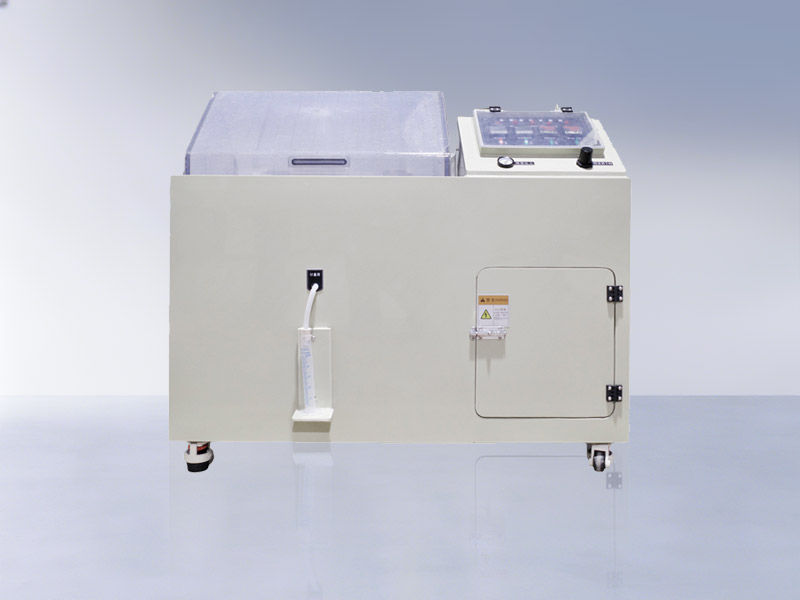
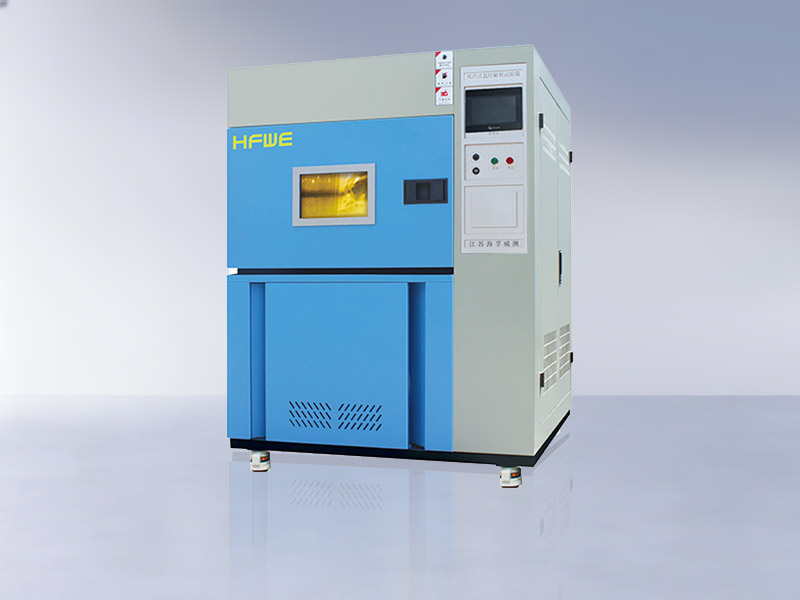
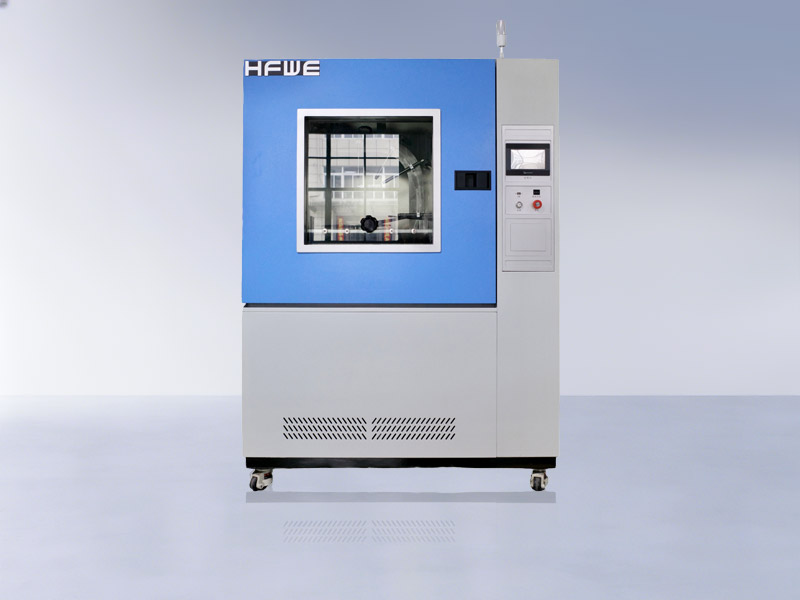
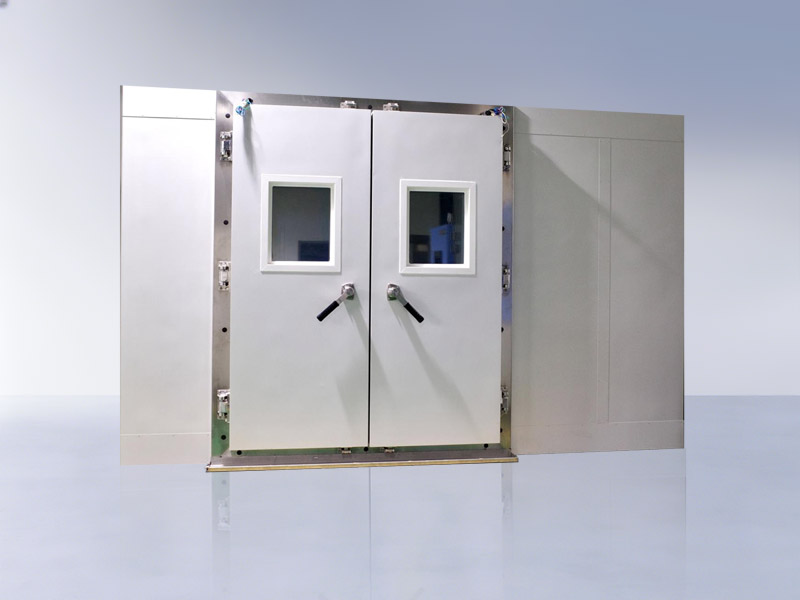


How to choose the right corrosion test chamber for material testing applications
The right corrosion test chamber starts with your material test standards. Define the governing method first. Then match chamber type, construction, controls, and total ownership cost to those requirements.
Consider a painted automotive component. It may need cyclic corrosion testing to replicate real-world wet/dry conditions. You can often qualify a simple metallic coating with a salt spray chamber running ASTM B117. These two materials demand different platforms.
Your decision process narrows to four criteria. Identify standards, choose the chamber type, verify construction and control features, and calculate long-term costs. Compare specification sheets against your most common test methods before you commit. Following this sequence keeps your selection defensible and repeatable.
Key Takeaways
Define your test standards first to pick the right corrosion test chamber.
Choose a chamber type that matches your test cycles, like salt spray or cyclic.
Check chamber materials and controls for durability and precise results.
Calculate total ownership cost, including maintenance and support, before you buy.
Ask suppliers for training and certificates to protect your data and budget.
Match the Corrosion Test Chamber to Your Test Standards
Material testing starts with the governing standard. ASTM B117, ISO 9227, and automotive OEM methods define solution concentration, pH range, temperature, and cycle sequence. These requirements determine which corrosion test chamber you need.
Identify Required ASTM, ISO, and OEM Standards
List the exact standards your quality group requires. The most common references are ASTM B117, ISO 9227, SAE J2334, and ISO 11997-1. Use the table to compare them.
Standard | Category | Role |
|---|---|---|
ASTM B117 | ASTM | Baseline continuous salt spray |
ISO 9227 | ISO | International salt spray method |
SAE J2334 | SAE / OEM | Cyclic test with electrolyte, humidity, and dry phases |
ISO 11997-1 | ISO | Cyclic test for coatings |
Do not assume one standard fits every product. ASTM B117 and ISO 9227 define how to operate salt spray equipment. They do not set a universal exposure duration or pass/fail criteria. Your product specification determines the test length and acceptance limit.
Automotive qualifications usually follow OEM-specific documents. These documents may define the test method, cycle count, coating thickness, scribing pattern, and evaluation areas. Some use cyclic corrosion testing that alternates wet, dry, humidity, and salt conditions. Base the test plan on your component specification, not habit.
Define Test Cycles and Exposure Conditions
Choose the standard. Define the exposure profile. ASTM B117 requires a 5% sodium chloride solution at 35°C with a pH of 6.5–7.2. The chamber must produce continuous fog and collect 1–2 mL/80 cm²/h of spray. The air supply must stay clean and saturated.
Real-world corrosion rarely stays wet. It involves wet-dry-humid cycles, temperature changes, and road salts. ASTM D5894 and ISO 16701 add cyclic wet-dry-UV exposure. German and GM specifications use VDA 621-415, VDA 233-102, and GMW 14872. Marine and offshore programs often cite ISO 20340. ISO 9227 covers acetic acid salt spray and CASS methods; ASTM B117 handles them through separate practices.
Match your corrosion test chamber to these cycles. Continuous salt spray cannot reproduce a cyclic profile. You need programmable humidity and dry phases. Define the sequence before purchase, then verify the controller can run it.
Choose the Right Corrosion Test Chamber Type
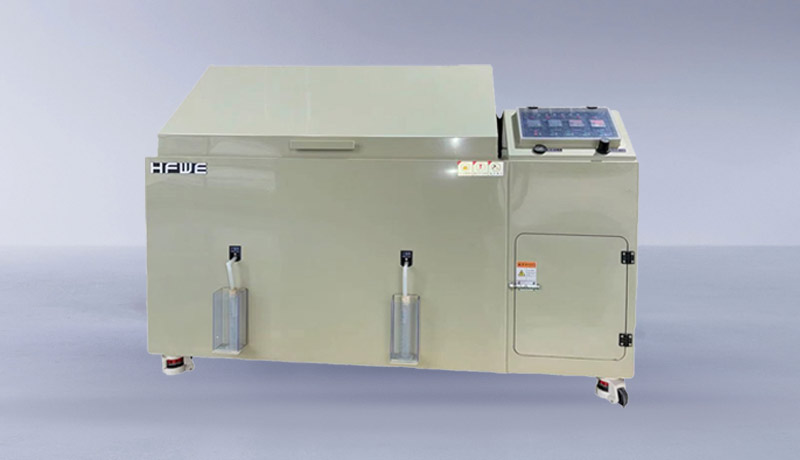
Salt Spray, Cyclic, and Humidity Chamber Options
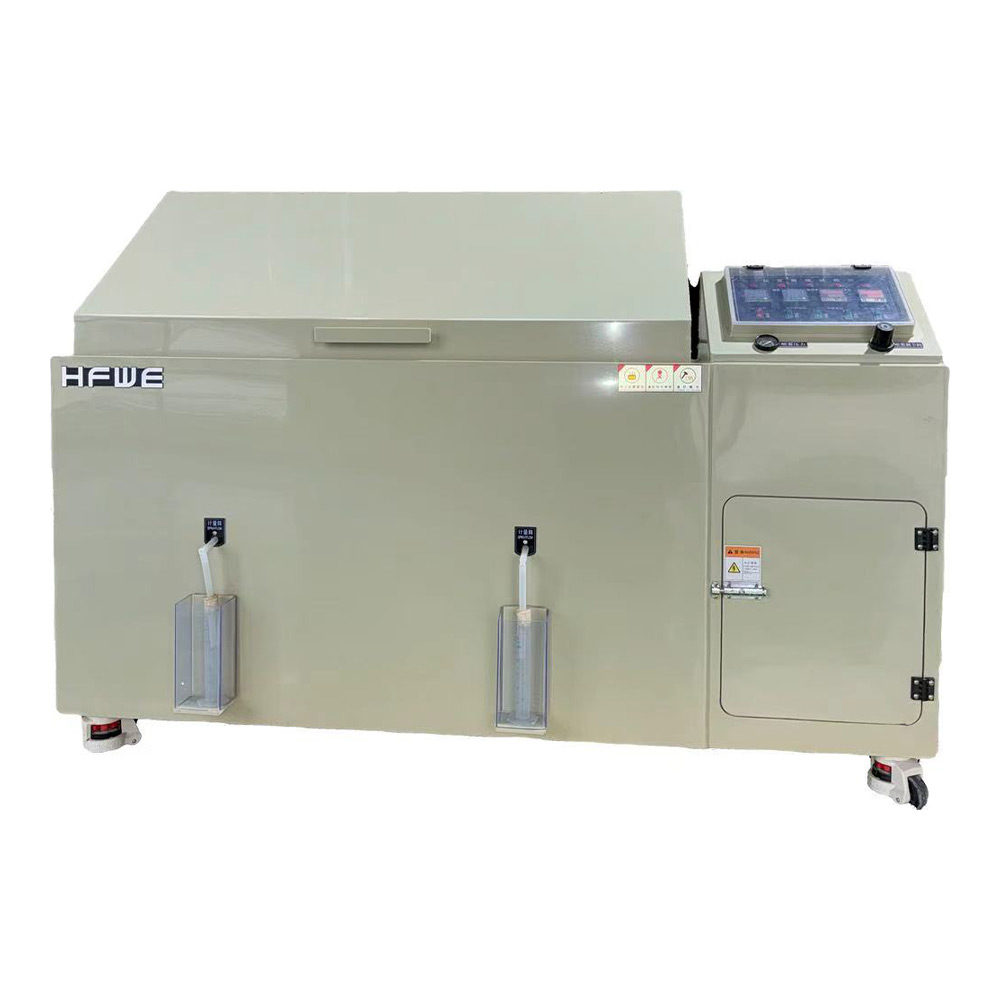
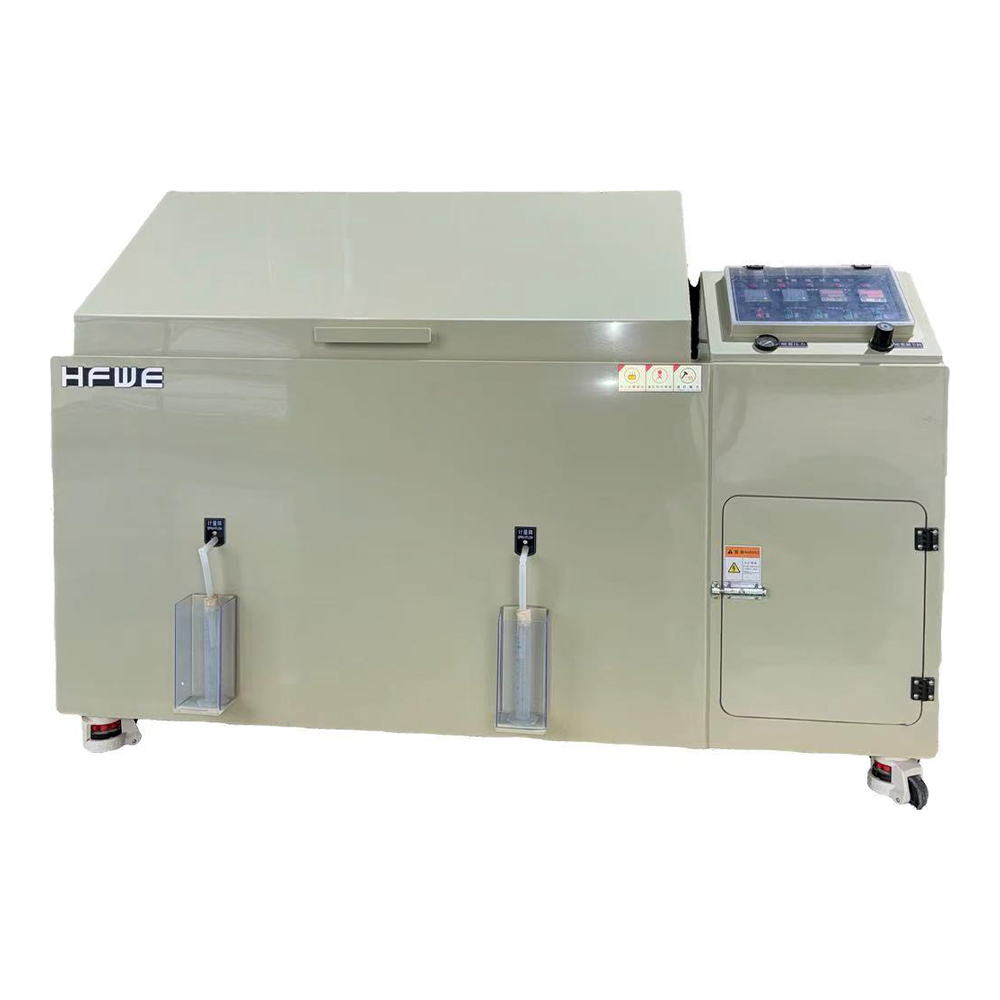
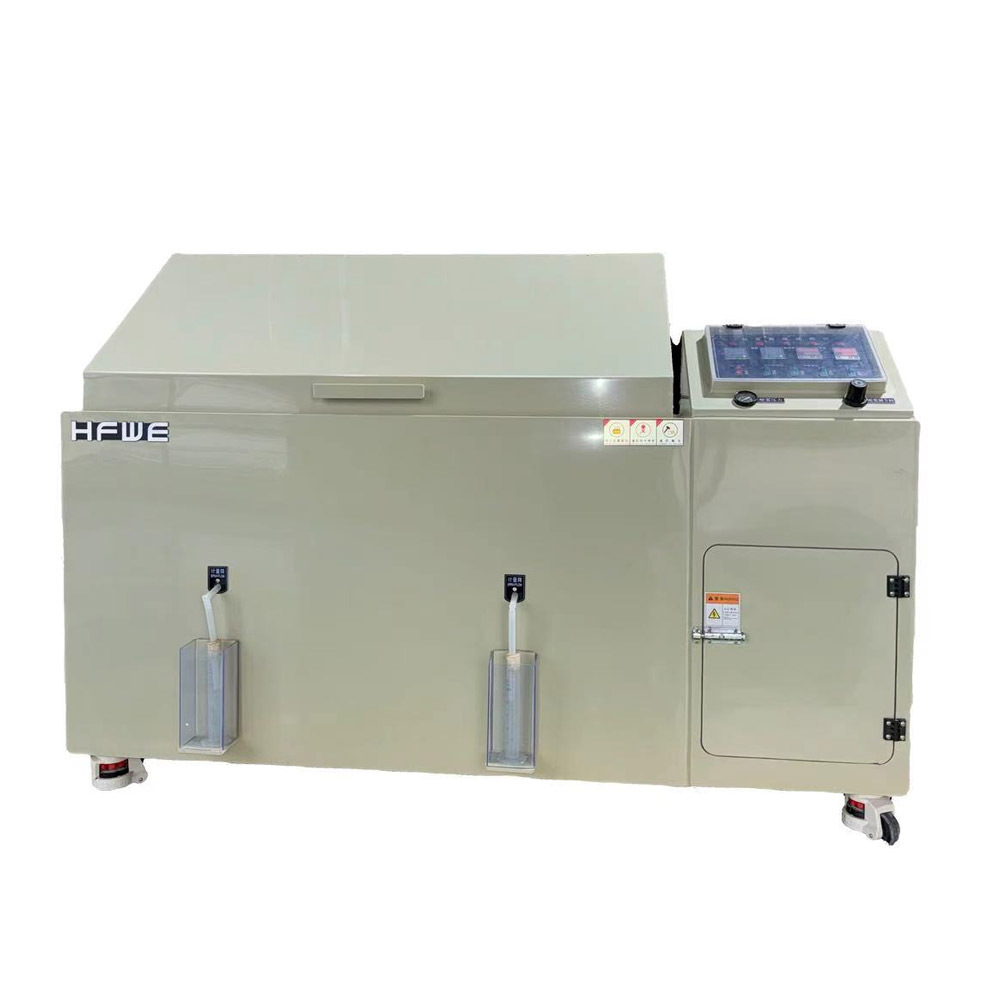
Continuous salt spray cabinets handle steady-state corrosion testing. They suit simple metallic coatings and baseline qualification work. ASTM B117 requires a chamber temperature of 35°C ±2°C and a salt spray deposition rate of 1.0–2.0 mL per 80 cm² per hour, averaged over a 16-hour collection period. These chambers work well for high-volume quality control.
Cyclic corrosion chambers alternate salt spray, humidity, and drying phases. They simulate real-world exposure more accurately than continuous fog. Automotive and aerospace programs often require this platform. Humidity chambers support ASTM D2247 condensation testing at 100% relative humidity. You can also run filiform corrosion tests for coated metal materials per ISO 4623-1/2 or ASTM D2803.
Specialty Chambers for SO2, CASS, and Custom Environments
Specialty environments demand dedicated equipment. SO2 chambers support ASTM G85 Annex A4 testing, which combines salt spray with sulfur dioxide gas. CASS testing applies to decorative plating, advanced surface coatings, and export products. AASS and CASS methods follow ISO 9227.
AASS testing refers to ISO 9227 AASS (acetic-acid salt spray), while CASS testing refers to ISO 9227 CASS (copper-accelerated acetic-acid salt spray). For CASS, a dedicated chamber with automated temperature control (ATC) is recommended because residual copper contamination can affect later neutral salt spray (NSS) testing.
The table below compares solution conditions for both methods.
Test method | Solution formulation | Temperature | pH |
|---|---|---|---|
AASS | 5% sodium chloride solution + glacial acetic acid | 35°C ± 2°C | 3.1–3.3 |
CASS | 5% sodium chloride solution + copper chloride + glacial acetic acid | 50°C ± 2°C | 3.1–3.3 |
Both methods require relative humidity of at least 95% and salt fog deposition of 1.0–2.0 mL per 80 cm² per hour. Solution purity matters. Total heavy metal impurities must stay below 0.005%, and water conductivity must not exceed 20 μS/cm. Composite corrosion testing combines salt atmosphere, industrial pollution, high humidity, and chemical environments. Large assemblies and irregular parts often need custom chamber configurations. Jiangsu Haifuwei Test Equipment Co., Ltd. offers salt spray, heated salt spray, SO2, CASS, acetic acid salt spray, and cyclic corrosion chambers in multiple sizes. Many models operate from room temperature +5°C to 55°C. These chambers support testing in automotive, aerospace, electronics, and new energy industries.
Evaluate Corrosion Test Chamber Construction and Features
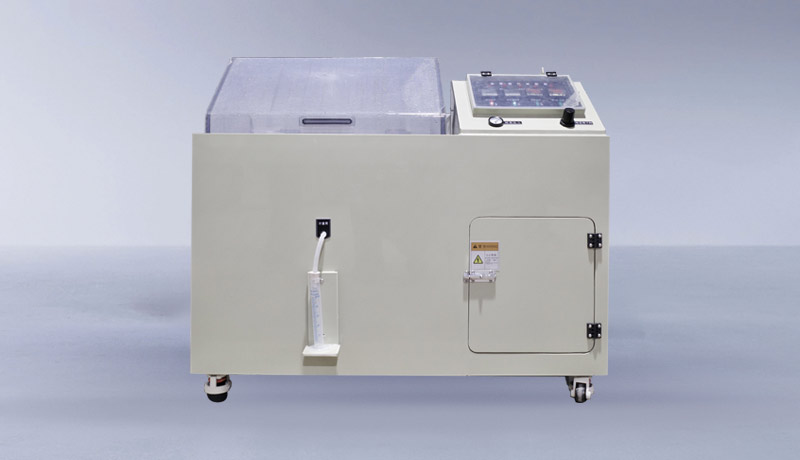
Inspect chamber materials first. Every corrosion test chamber must survive the same corrosive environment it creates. A chamber built with weak liners will peel, corrode, and contaminate your next test batch. Choose materials that match the chemistry of your test method.
Key Materials and Interior Dimensions
Start with the inner chamber. Heavy-gauge compression-molded PVC delivers exceptional durability and salt-fog resistance. It outperforms ordinary steel and thin stainless steel chambers. Choose 316L stainless steel for wetted parts if you run aggressive CASS or long-duration cyclic corrosion testing. High-quality PP/PVC provides high strength, abrasion resistance, and chemical resistance against acetic acid and copper-accelerated solutions.
Component | Material | Corrosion Resistance Properties |
|---|---|---|
Interior chamber walls | Compression-molded PVC board (5–8 mm thickness) | Heat-rated to 85 °C; impervious to acid and alkali attack during continuous operation |
Heating element | Titanium-alloy electric heating tubes | Outlasts standard stainless steel immersion heaters by 3–5 years |
Pressure barrel (saturated air supply) | Seamless SUS304 stainless steel (2.0 mm thick) | Used for saturated air delivery in corrosive salt spray environments |
Prioritize non-corrosive materials. Heavy-gauge compression-molded PVC and titanium-alloy heating elements prevent internal peeling, corrosion, and sample contamination. Lined sheet metal cannot match that performance.
Interior dimensions matter just as much. Clearance is not determined solely by physical fit. It depends on chamber airflow design, specimen geometry, fixture arrangement, and test requirements. Position specimens so conditioned air can circulate freely around them. Plan for DUT dimensions, fixtures, sample count, cabling, airflow clearance, and future testing needs.
IEST-RP-CC006.4 provides these specimen placement limits:
Parameter | Recommended value/guideline |
|---|---|
Clearance from chamber walls | At least 150 mm |
Clearance from airflow supply plenum | At least 200 mm |
Clearance between adjacent test specimens | At least 50 mm |
Total specimen volume vs chamber working volume | Not more than 1/3 (33%) |
Airflow around specimens | Keep open spaces and avoid blocking conditioned-air circulation |
These limits maintain uniform airflow and temperature stability around the specimens. They also keep specimens from shielding one another. Calculate your working volume before you order.
Control Precision, Safety, and Data Logging
Control precision determines test repeatability. Look for PID temperature and humidity control with a PT-100 corrosion-resistant sensor. A PLC with a 7-inch touchscreen (HMI) provides clear status updates. Programmable cyclic corrosion testing profiles let you switch between salt spray, humidity, and dry phases. Auto and manual operation modes cover validation and routine production testing. The timer range of 0–9999 minutes handles standard and extended runs.
Category | Standard Features |
|---|---|
Safety Features | Automated safety systems for reliable operation; Alarm system with indicators and buzzer; Over-temperature protection; Pressure safety valve on saturation tower; System performance monitoring (voltage & current) |
Data Logging Capabilities | Real-time data logging and monitoring; Graph-based real-time data visualization; USB data export functionality; Wireless / LAN connectivity for remote monitoring |
Controller Functions | PLC & HMI-based intelligent control system; PLC with 7" touchscreen (HMI); User-friendly programmable controls; Programmable cyclic corrosion testing profiles; Auto and manual operation modes; Timer 0–9999 minutes; PT-100 corrosion-resistant sensor |
Safety features deserve close attention. Over-temperature protection stops a runaway heater before it ruins a test. The pressure safety valve protects the saturation tower. System performance monitoring tracks voltage and current. An alarm with indicators and a buzzer alerts you to faults.
Optional upgrades extend the base package:
Add extra safety interlocks to the chamber
Integrate additional alarm systems
Equip data logging functions as a customization option
Fit advanced controllers, such as Omron, for more complex cyclic corrosion testing programs
Add data interfaces for integration with existing laboratory management systems
These options make your corrosion test chamber future-proof. The right construction and control package protects your samples and your data. You avoid contamination, downtime, and false failures. A chamber that resists its own environment delivers results you can trust.
Balance Budget with Total Cost of Ownership
The purchase price is only part of the story. The true cost of a corrosion test chamber includes every expense over its working life. Low initial prices vanish when operating costs rise or failures interrupt testing. Evaluate the full ownership picture before you commit.
Compare Initial Price vs. Operating Costs
Start with the acquisition price, then add consumables. Every salt spray run consumes prepared solution. ASTM B117 requires a 5% sodium chloride solution at 35°C with a pH of 6.5–7.2. The chamber must collect 1–2 mL per 80 cm² per hour. That collection rate helps estimate solution usage. Longer runs and larger specimen loads demand more fog, more solution, and more energy.
Energy forms the next cost layer. Heating elements and the saturation tower run continuously through entire test cycles. A cyclic corrosion test alternating salt spray, humidity, and drying phases may run for hundreds or thousands of hours. Electricity adds up quickly over a multi-week qualification.
Water quality also affects your budget. High-conductivity feed water contaminates the salt solution and shortens wetted component life. Many labs install reverse-osmosis or deionized systems. Factor filtration hardware, replacement cartridges, and water testing into your annual plan.
Plan for Maintenance, Calibration, and Support
Preventive maintenance protects your investment. Clean the interior, nozzles, and collection lines after each run. Inspect heating elements and pressure barrel seals on a regular schedule. Replace worn spray nozzles before atomization drifts, because a faulty nozzle produces uneven fog and invalid results.
Calibration matters as much as cleaning. Verify temperature sensors and saturation tower pressure against reference instruments at defined intervals. Measure the salt spray collection rate over a 16-hour period per ASTM B117. Document each check so your data stays defensible in third-party audits.
Ask suppliers for concrete support details before purchase. Request warranty terms, spare parts availability, and technical service response times. Confirm pre-delivery testing and calibration certificates. Ask whether operator training is included. Replacement heater lead times and calibration downtime belong in your total cost calculation. A reliable corrosion test chamber with transparent long-term costs beats a cheaper unit with weak backup, so compare total ownership cost, not just the sticker price.
Your selection sequence ends here. Define test standards first. Choose the right chamber type next. Verify construction and control features. Estimate total ownership cost last. Compare every specification sheet against your most common test methods, specimen sizes, and future testing needs.
Ask suppliers for pre-delivery testing, calibration certificates, and operator training before you buy. A reliable corrosion test chamber protects your data and your budget.
Use this checklist to finalize your decision.
Checklist area | What to confirm |
|---|---|
Standards | ASTM B117, ISO 9227, ASTM G85 |
Chamber type | NSS, AASS, CASS, or cyclic |
Size | Sample dimensions and quantity |
Materials | Corrosion-resistant construction |
Control accuracy | PID control, calibrated sensors |
Maintenance | Cleaning, calibration schedule |
Support | Spare parts, training, after-sales service |
FAQ
These questions address the decisions that matter most when you compare corrosion test chamber platforms.
What distinguishes continuous salt spray from cyclic corrosion testing?
ASTM B117 continuous salt spray runs steady-state fog at 35°C. Cyclic testing alternates salt spray, humidity, and dry phases. Automotive coatings usually demand cyclic methods like SAE J2334. Simple metallic coatings often qualify with salt spray alone.
How do you determine the right chamber size?
IEST-RP-CC006.4 provides the key limits. Leave 150 mm clearance from walls and 200 mm from the supply plenum. Keep 50 mm between specimens. Limit total specimen volume to one-third of working volume. Measure your largest sample batch before ordering.
Can one chamber handle both CASS and neutral salt spray testing?
Many chambers support both methods. CASS testing introduces copper contamination. That residue can affect later neutral salt spray results. Choose a dedicated CASS chamber with automated temperature control when copper testing precedes NSS work. Confirm method-switching capabilities with your supplier.
What maintenance does a corrosion test chamber require?
Regular cleaning protects test integrity. Clean the interior, nozzles, and collection lines after each run. Inspect heating elements and pressure barrel seals on schedule. Calibrate temperature sensors at defined intervals. Verify salt spray collection rate over a 16-hour period per ASTM B117. Replace worn nozzles before atomization drifts.
What costs should you include in total cost of ownership?
Account for consumables, energy, water treatment, calibration, spare parts, and operator training. High-conductivity feed water shortens component life. A low sticker price can disappear in downtime and inconsistent results. Request warranty terms and support response times before purchase.