



How does an UV chamber work
A uv weathering test chamber works by using fluorescent UV lamps to simulate sunlight. It also controls temperature and moisture. Together, these factors accelerate material aging. The lamps emit UV light, and the chamber holds heat and humidity at set levels. You get results in days or weeks instead of months outdoors.
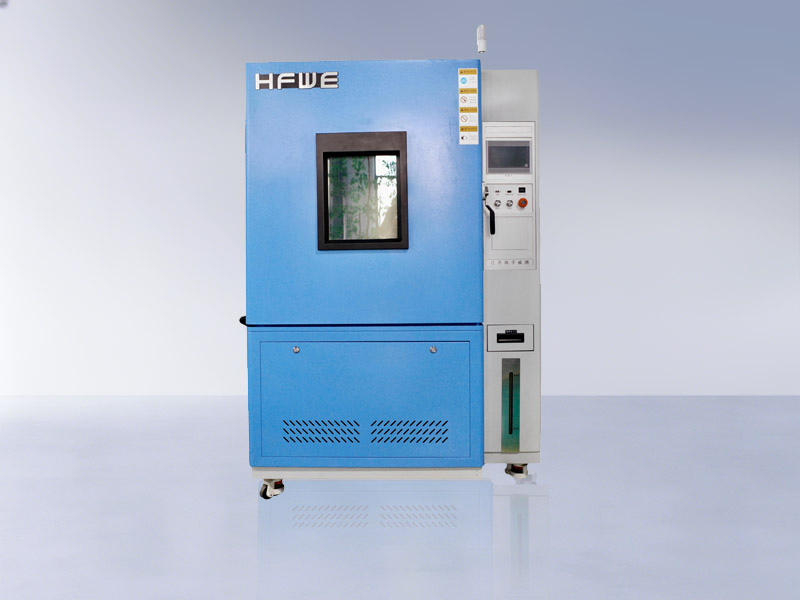
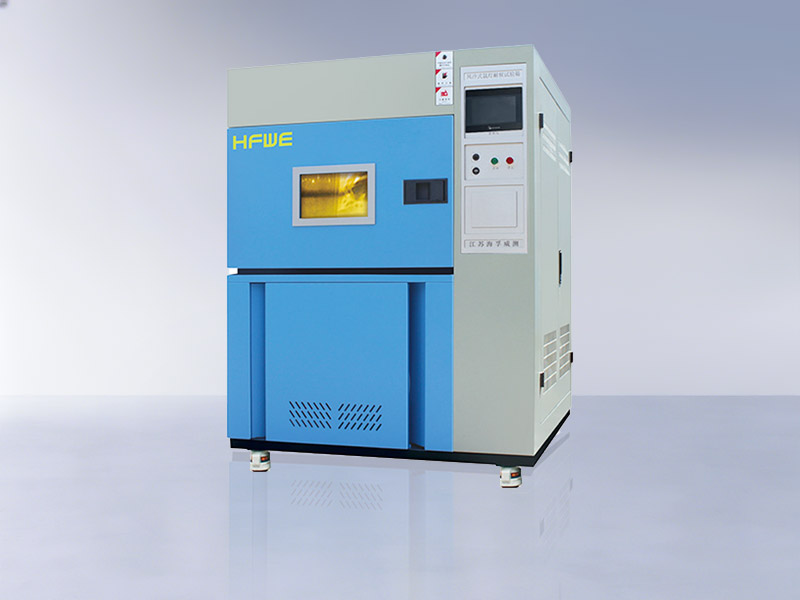
The chamber's key components, its simulation process, and the testing procedure all drive this acceleration. This guide walks you through each one. It also uses the HFWE UV Aging Test Chamber as a practical example. HFWE designs this model for non-metallic materials. That way, you can see how these systems operate in real lab work.
Key Takeaways
A UV weathering test chamber uses UV lamps, heat, and moisture to mimic outdoor weather and speed up material aging.
The chamber has UV lamps with filters, temperature and humidity controls, and a water spray system to simulate sunlight, dew, and rain.
You can choose lamp types and filters to match real-world sunlight conditions for different materials and testing goals.
The testing process involves preparing samples, setting test parameters, running the test, and checking changes in color, gloss, cracking, and strength.
This testing gives you fast, reliable data to predict how long materials will last and to improve product formulas.
UV Weathering Test Chamber Components
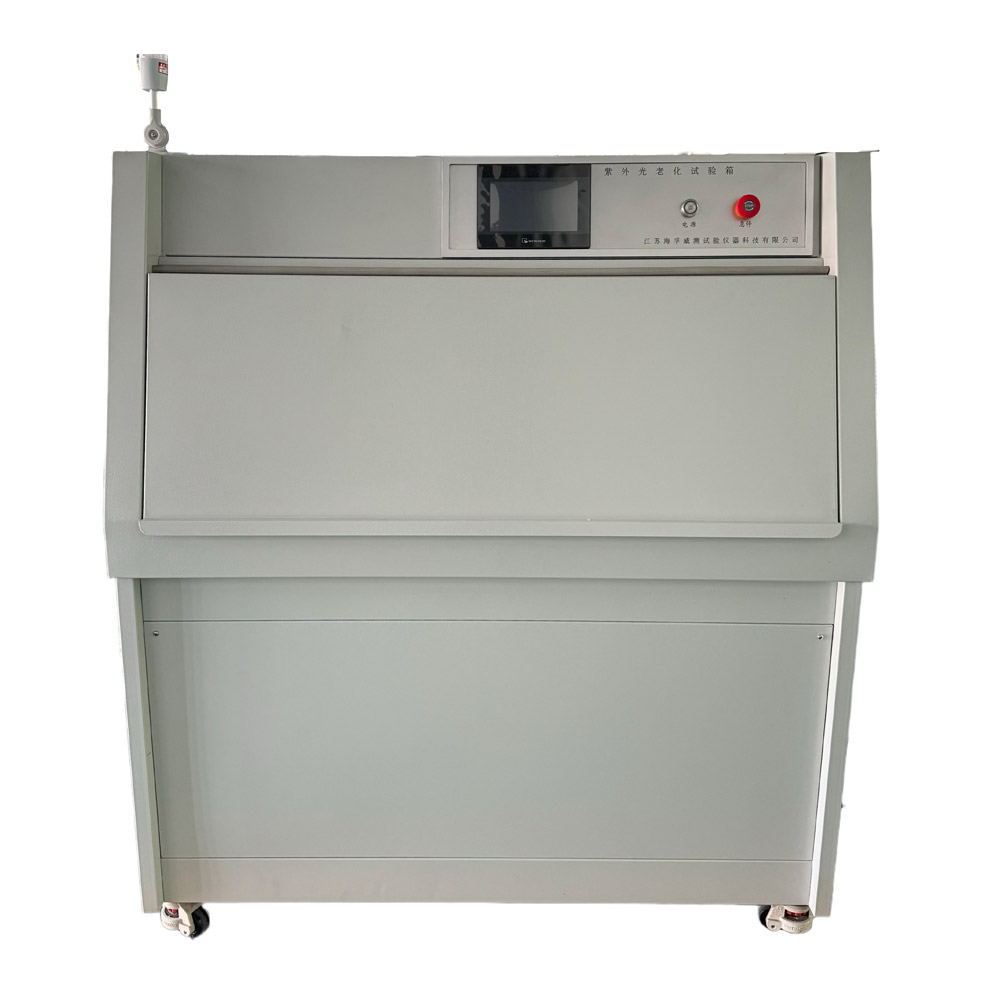
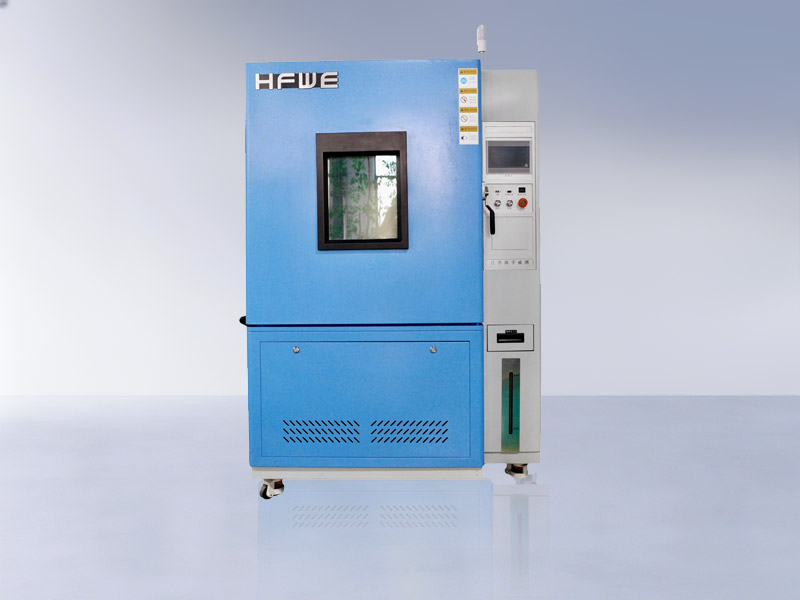
The HFWE UV Aging Test Chamber is a high-performance environmental testing solution for non-metallic materials. It brings together several subsystems. Each one plays a distinct role in reproducing outdoor aging. Understanding these parts helps you see how a uv weathering test chamber turns a simple lamp into a controlled weathering engine.
UV Lamps and Filters
Fluorescent UV lamps form the heart of the system. The HFWE chamber uses eight 40W lamps, each 1200 mm long and 38 mm in diameter. You can specify UVA-340 or UVB-313 lamps when ordering. Two lamp types do most of the work. UVA-340 lamps span 315–400nm with a peak at 340nm. They reproduce the short-wave UV portion of natural sunlight and closely match the solar cut-off region near 295nm. UVB-313 lamps span 280–315nm with a peak at 313nm. They produce more aggressive short-wave exposure, including wavelengths shorter than those found in terrestrial sunlight. That makes them useful for screening and quality-control work.
Optical filters shape the spectrum further. Daylight filters simulate direct, harsh summer sunlight for exterior materials. Window glass filters replicate sunlight passing through commercial or automotive panes, which supports realistic interior fading tests. Extended UV filters allow extreme exposure scenarios for aerospace and specialized automotive exterior testing. Without proper filtering, a lamp can emit unrealistic short-wave radiation. The filter blocks those unwanted wavelengths and keeps the spectrum close to real-world conditions.
Temperature and Moisture Systems
Heat and moisture drive material degradation alongside UV light. The HFWE chamber controls temperature from RT+10°C to 70°C. Temperature fluctuation stays within ±0.5°C, and humidity is maintained at ≥95%RH. A condensation system heats water in a tray to generate steam. That steam condenses on specimens and simulates 100% humidity. Condensed water then flows back for continuous moisture exposure. A separate water spray system uses a high-power pump and five nozzles to simulate rain, thermal shock, and surface erosion. The chamber requires purified or deionized water to prevent scale buildup and ensure consistent operation.
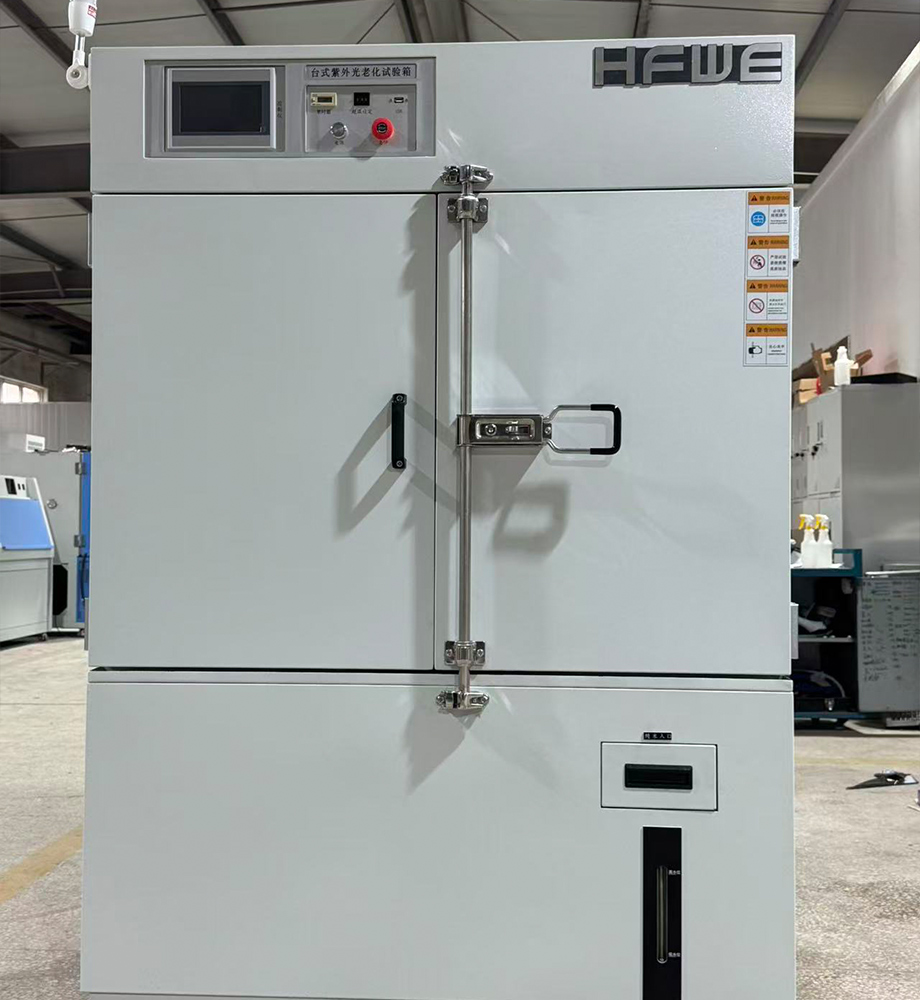
A touch screen controller ties everything together. You program settings through the interface, and it displays temperature, humidity, irradiation intensity, and time. LAN and USB connectivity support data management. The chamber accommodates approximately 40 sample plates (150×75mm) or 20 plates (300×75mm). That capacity suits a range of test volumes.
Simulating Sunlight and Weather
Generating and Filtering UV Light
Natural sunlight carries short-wave ultraviolet radiation. This band does most of the damage to polymers, coatings, and plastics outdoors. The chamber reproduces that destructive band with fluorescent lamps and optical filters. Eight parallel lamps create a uniform field, and specimens mount 50 mm from the lamp centerline. Lamp choice sets the exposure character, so pick the type that matches your test goal.
Lamp Type | Peak Wavelength | Primary Application | Acceleration Factor |
|---|---|---|---|
UVA-340 | 340 nm | General outdoor exposure simulation | 3–8x natural weathering |
UVB-313 | 313 nm | Rapid screening and comparative testing | 8–20x natural weathering |
UVA-351 | 351 nm | Window glass filtered exposure | 2–5x natural weathering |
UVA-340 lamps reproduce the short-wavelength terrestrial sunlight band from 295 to 365 nm. That region drives most polymer degradation. UVB-313 lamps emit shorter, more aggressive wavelengths. They speed up testing, yet they may introduce failure modes you never see outdoors. Lamp selection therefore decides test validity. You calibrate irradiance to 0.89 W/m² at 340 nm, which matches midday subtropical summer sunlight. Closed-loop feedback then adjusts lamp power as the lamps age.
Filters complete the spectrum control. Daylight filters mimic direct summer sun. Window glass filters replicate light passing through glazing. Extended UV filters support extreme exposure scenarios. A uv weathering test chamber depends on this pairing of lamp and filter to stay realistic.
Unlike fluorescent UV chambers limited to shortwave UV below 400 nm, filtered xenon arc lamps yield a Spectral Power Distribution matching sunlight from 295 nm to 800 nm. While UVA-340 lamps suit early R&D polymer screening, they cannot replicate photo-thermal expansion and thermal-oxidation stresses from sunlight's visible and infrared bands. Xenon chambers combine precision optical glass filters with closed-loop irradiance feedback to eliminate spectral mismatch and correlate with Florida/Arizona field exposure. Filter selection must align with the target standard (ASTM G155 Cycle 1, ISO 4892-2 Method A, SAE J2527).
Condensation and Water Spray Cycles
UV light alone tells only half the story. Outdoor aging also involves dew, rain, and temperature swings. The chamber combines UV exposure with condensation, water spray, and heat variation. This synergy reproduces fading, chalking, cracking, and strength degradation. A dry UV phase runs at a set temperature. A condensation phase then follows. Water heats in a tray, steam rises, and moisture condenses on the specimens. That step simulates 100% humidity and overnight dew. A separate spray system with five nozzles simulates rain and thermal shock.
This alternating cycle mirrors the QUV testing concept. Materials rarely fail from one stress alone. They fail when UV, moisture, and heat act together. You program cycle times through the touch screen controller and monitor temperature, humidity, irradiation intensity, and time. Purified or deionized water is essential here. Tap water leaves scale on lamps, specimens, and nozzles. Scale blocks UV transmission and skews results. Consistent water quality keeps every run repeatable.
Testing Procedure Step by Step
Sample Preparation and Parameter Setting
Good results start with clean samples. Wipe each surface to remove dust, oils, and contaminants. These residues distort readings and give you false aging data. Mount the samples securely on the chamber's sample holders. Label every sample for tracking, because you may run several tests with different parameters at the same time.
Next, program the test through the touch screen controller. Set UV intensity in W/m² to match solar energy for your target geographic location. Define temperature cycles that alternate high and low values, which replicate day and night swings. Set humidity and water spray cycles to reproduce dew, condensation, or wet-dry conditions. Finally, specify the test duration in hours, days, or weeks to match your desired acceleration factor. The controller stores these settings and displays temperature, humidity, irradiation intensity, and time throughout the run.
Running Tests and Evaluating Results
Once the test begins, monitor the internal conditions. The uv weathering test chamber protects itself with leakage, short circuit, over-temperature, water shortage, and overcurrent protection. A controller power-off memory function keeps your settings intact after an interruption. Check that purified or deionized water feeds the system, since scale buildup skews exposure.
After the run, evaluate the changes. Compare color, gloss, cracking, and strength against baseline measurements. These results help you predict lifespan and optimize formulations. The same workflow supports electronics, automotive parts, plastics and rubber, metal surface treatment, and general laboratory testing. Each application benefits from repeatable data, and a well-run uv weathering test chamber delivers exactly that.
A uv weathering test chamber combines UV light, heat, and moisture in a controlled loop. This loop mimics natural weathering and speeds it up. You set the conditions, and the chamber repeats them run after run.
That repeatability gives you reliable data. You can predict material durability with confidence. You can also optimize product formulations based on real evidence, not guesswork.
Accelerated weathering testing will only grow more important. Material development and quality assurance both depend on fast, trustworthy results. As new materials reach the market, chambers like these will keep helping you prove they last.
FAQ
Which lamp type should you choose for your test?
Match the lamp to your goal. UVA-340 lamps reproduce the short-wave sunlight band and suit general outdoor exposure work. UVB-313 lamps emit shorter, more aggressive wavelengths and speed up screening. The chamber accepts UVA-340 or UVB-313 lamps.
How long does a typical test run?
Test length depends on your acceleration target and the material. You set the duration in hours, days, or weeks through the touch screen controller. The chamber then repeats your programmed UV, condensation, and spray cycles. That repeatable loop compresses months of outdoor exposure into a shorter window.
Why does the chamber need purified or deionized water?
Tap water leaves scale on lamps, specimens, and nozzles. Scale blocks UV transmission and skews your readings. Purified or deionized water keeps exposure consistent and protects long-term operation. Always confirm your water supply meets this requirement before you start a run.
How many samples fit in one run?
The chamber holds approximately 40 sample plates at 150×75mm, or 20 plates at 300×75mm. That capacity supports a range of test volumes. Label every sample, because you may run several parameter sets side by side.
What do you measure after the test?
Compare color, gloss, cracking, and strength against your baseline readings. These changes reveal how the material aged under UV, heat, and moisture. Use the data to predict lifespan and refine formulations. The same workflow serves electronics, automotive, plastics and rubber, and metal surface treatment.