

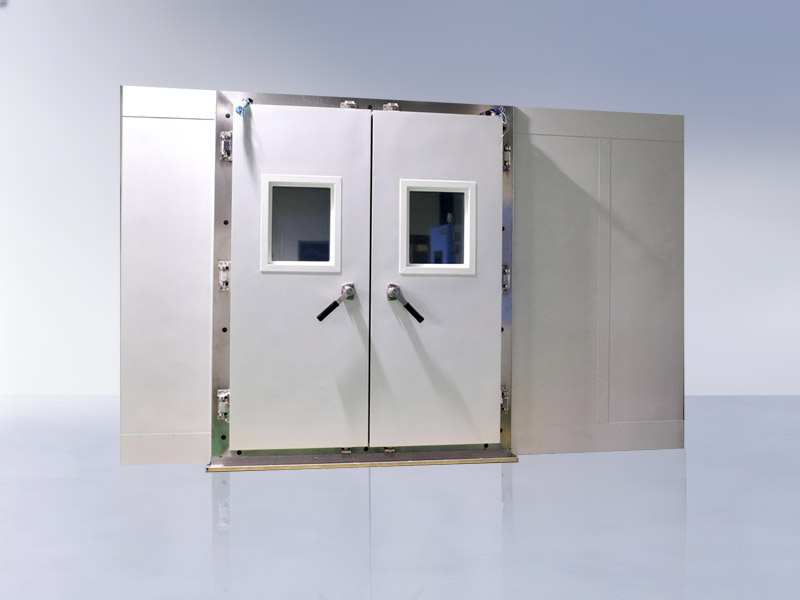


What is the purpose of a temperature-humidity chamber
Introduction to the temperature-humidity chamber
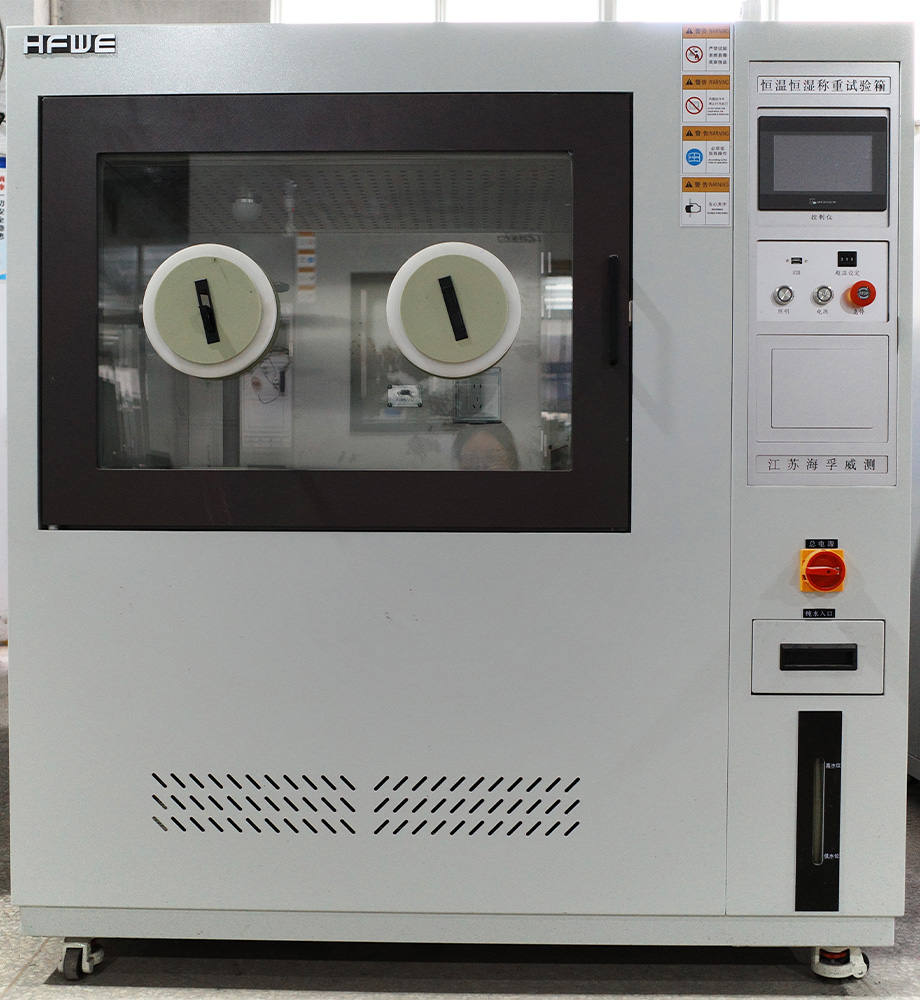
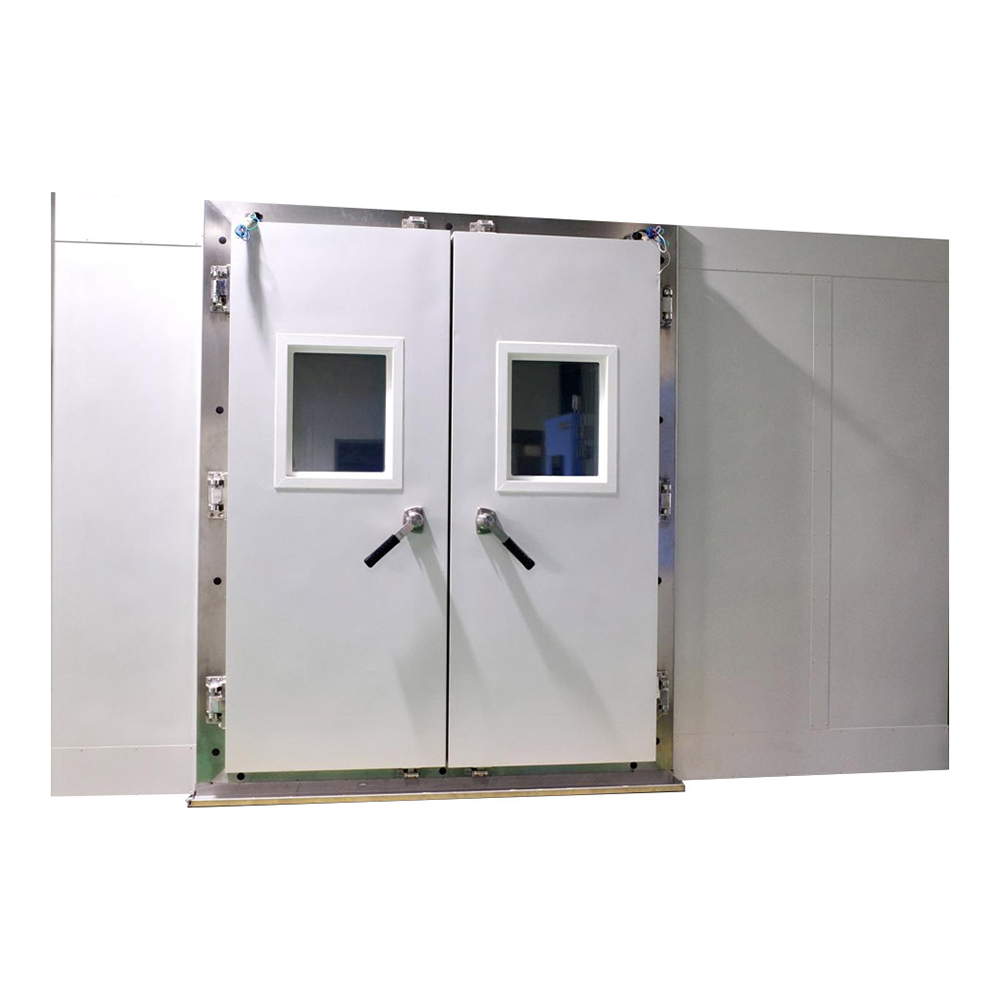
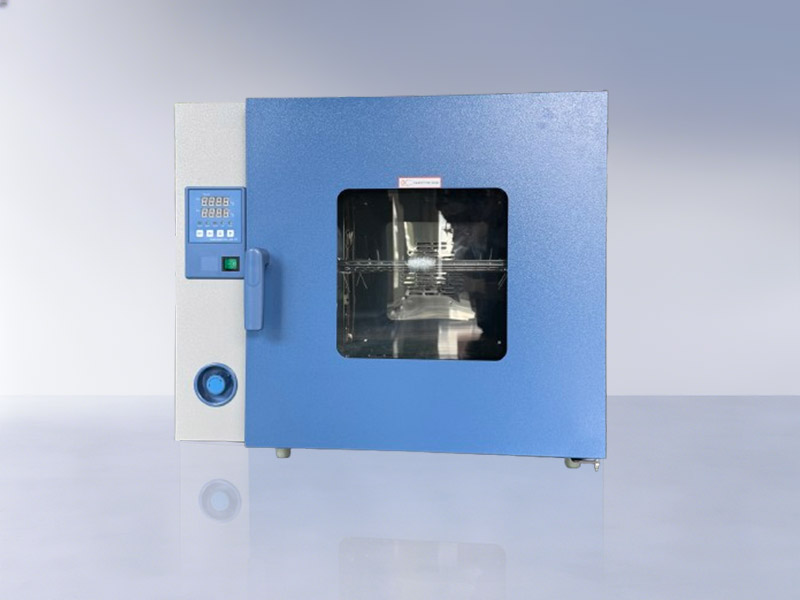
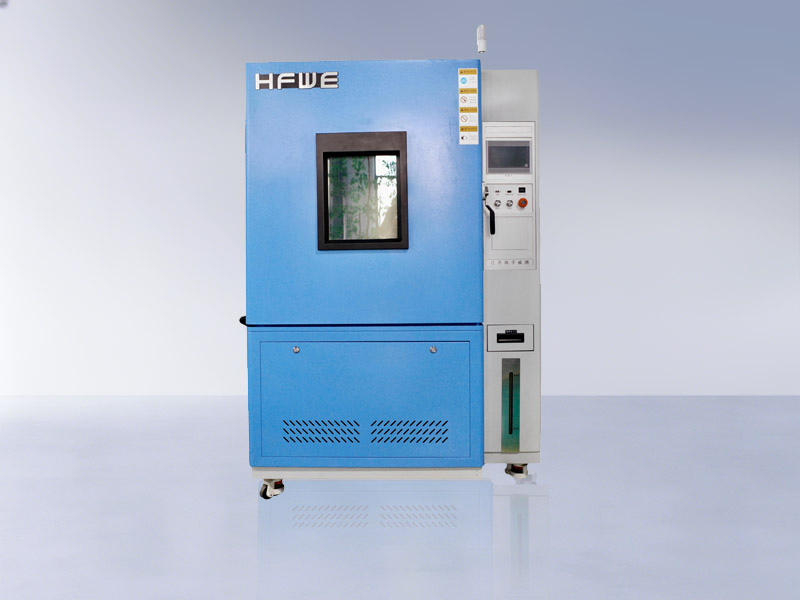
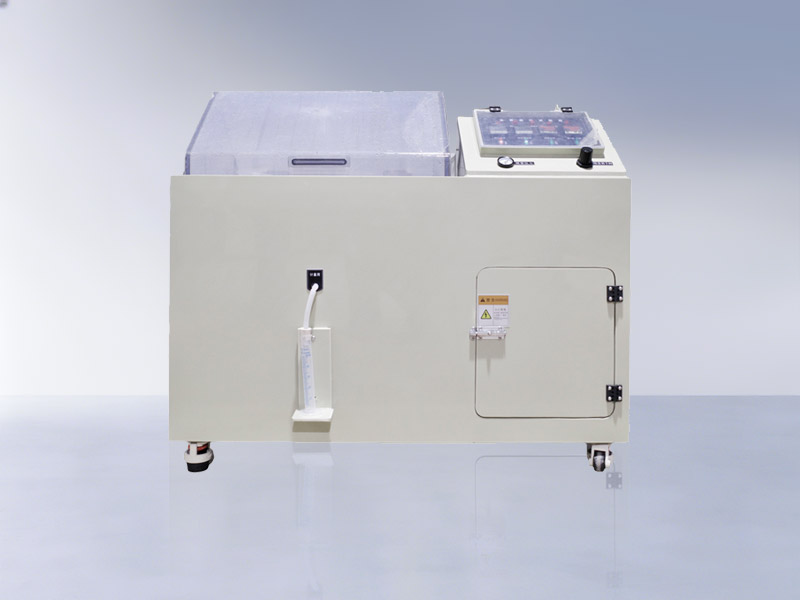
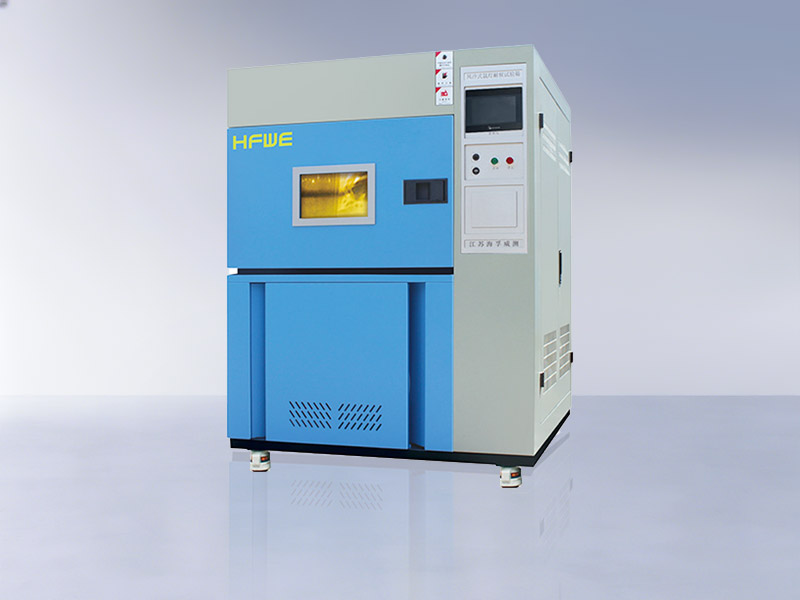
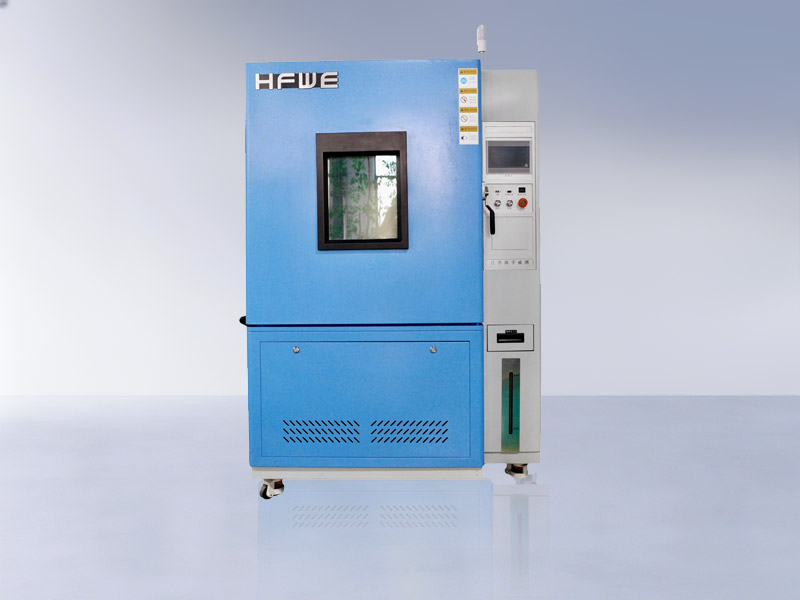
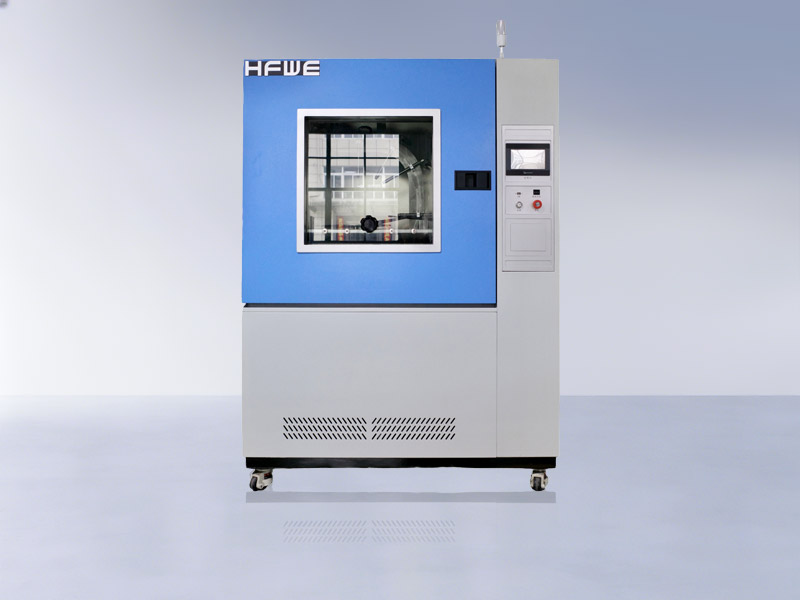
A temperature humidity chamber is a specialized piece of environmental testing equipment designed to create precisely controlled combinations of temperature and relative humidity within an enclosed test space. Unlike simple ovens, freezers, or standalone humidity cabinets, a temperature-humidity chamber integrates dual control systems that work in tandem to adjust both parameters simultaneously, maintaining stability and uniformity across the entire test area. These systems can replicate conditions ranging from arid deserts to tropical rainforests, from frozen high-altitude environments to humid coastal regions, all within a controlled laboratory setting. The core design of a temperature-humidity chamber prioritizes accuracy, repeatability, and safety, ensuring that every test conducted inside produces consistent, verifiable data that engineers and researchers can rely on. Over the past decades, the temperature-humidity chamber has evolved from a niche industrial tool into a standard piece of infrastructure across dozens of industries, supporting product development, quality assurance, regulatory compliance, and long-term performance validation for nearly every category of manufactured goods.
Core functional purposes of a temperature-humidity chamber
The most fundamental purpose of a temperature humidity chamber is to simulate real-world environmental conditions that products will encounter during their service life, but in a compressed, controlled timeframe that eliminates the unpredictability of field testing. A temperature-humidity chamber can hold a steady temperature of 60°C and 90% relative humidity for hundreds of hours continuously, accelerating the aging process that would naturally take years to occur in an outdoor setting. This accelerated simulation capability allows manufacturers to identify material degradation, seal failure, or component corrosion long before a product reaches the market, drastically reducing the risk of costly field failures. Every temperature-humidity chamber is calibrated to maintain temperature deviations of less than ±0.5°C and humidity deviations of less than ±2% RH across its working volume, ensuring that no part of the test sample is exposed to unintended conditions that could skew test results. Many modern models of a temperature-humidity chamber also support programmed ramping, where temperature and humidity can rise or fall at precisely controlled rates, replicating the gradual environmental shifts that happen during seasonal changes, daily temperature cycles, or transportation across multiple climate zones. Without a temperature-humidity chamber, it would be nearly impossible for product teams to isolate the exact effects of temperature and humidity on their designs, as real-world environments always introduce dozens of uncontrolled variables like dust, vibration, and UV radiation that cannot be easily filtered out.
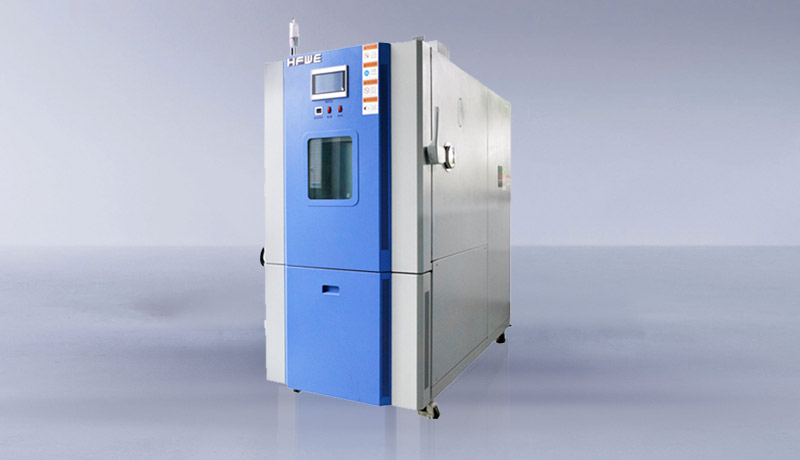
Applications across key industries
In the electronics manufacturing sector, a temperature-humidity chamber is an indispensable tool for validating the reliability of printed circuit boards, semiconductors, batteries, and consumer electronic devices. A temperature humidity chamber can run thermal cycling tests that shift from -40°C to 85°C while holding humidity at controlled levels, exposing weak points in solder joints, adhesive bonds, and electronic encapsulants that would cause devices to fail after months of regular use. For automotive components, a temperature-humidity chamber simulates the extreme conditions inside an engine compartment, where temperatures can swing from -20°C on a winter morning to over 100°C after hours of highway driving, while humidity levels fluctuate as moisture seeps into sealed electrical enclosures. The pharmaceutical and life sciences industry relies heavily on a temperature-humidity chamber to conduct stability testing for drugs, vaccines, and medical devices, as regulatory bodies require documented proof that products remain safe and effective after years of storage under varying climate conditions. In the aerospace and defense industry, a temperature-humidity chamber replicates the conditions that aircraft components, satellite hardware, and military equipment will face during deployment, from the freezing low-humidity environment at 15,000 meters altitude to the high-heat high-humidity conditions of tropical military bases. Even in the textile and building materials industries, a temperature-humidity chamber is used to test how fabrics, insulation materials, and construction adhesives perform when exposed to years of cyclic temperature and humidity exposure, ensuring that buildings and consumer textiles maintain their structural integrity and performance over decades of use.
Supporting product development and material research
For research and development teams, a temperature-humidity chamber provides a repeatable testing environment that allows engineers to compare different material formulations, design iterations, and manufacturing processes under identical environmental conditions. A temperature-humidity chamber can be programmed to run identical test cycles for dozens of consecutive runs, so that the only variable changing between tests is the design of the product itself, making it easy to quantify exactly how much an improved seal or new plastic compound extends a product’s usable life. Material scientists use a temperature-humidity chamber to study the hygroscopic properties of new polymers, measuring how much moisture a material absorbs at different humidity levels and how that moisture absorption impacts its tensile strength, dimensional stability, and electrical insulation properties. Many R&D teams also use a temperature-humidity chamber to conduct failure analysis after a field incident, recreating the exact environmental conditions reported by customers to replicate the failure mode in the lab and identify the root cause of the problem. The data collected from a temperature-humidity chamber is often fed directly into product simulation software, allowing engineers to refine their predictive models and design products that are more resilient to real-world environmental stress without unnecessary over-engineering that would increase production costs. Without the consistent, controlled environment provided by a temperature-humidity chamber, material research teams would struggle to publish peer-reviewed studies with reproducible results, as no two natural environmental conditions are ever exactly the same.
Ensuring regulatory compliance and quality assurance
Nearly every global regulatory standard for manufactured goods includes requirements for environmental testing that can only be reliably completed using a properly calibrated temperature-humidity chamber. International standards such as IEC 60068, MIL-STD-810, and ISO 16750 all specify exact test profiles that must be executed inside a temperature-humidity chamber to verify that products meet minimum performance requirements before they can be sold in global markets. For quality assurance teams on production lines, a temperature-humidity chamber is used to conduct periodic batch testing, pulling random samples from every production run to confirm that manufacturing quality has not drifted and that products still meet the same environmental resilience standards as the original validated prototype. A temperature-humidity chamber also creates a fully auditable test record, with built-in data loggers that record every minute of temperature and humidity data during a test, producing timestamped documentation that can be submitted to auditors, regulatory inspectors, and customers as proof of compliance. Many original equipment manufacturers require their component suppliers to provide test reports generated from a calibrated temperature-humidity chamber as a precondition for approving parts for use in their final products, creating a unified quality standard that spans entire global supply chains. This shared reliance on a temperature-humidity chamber eliminates misalignment between different suppliers and manufacturers, as all parties are using the same standardized testing methodology to validate environmental performance.
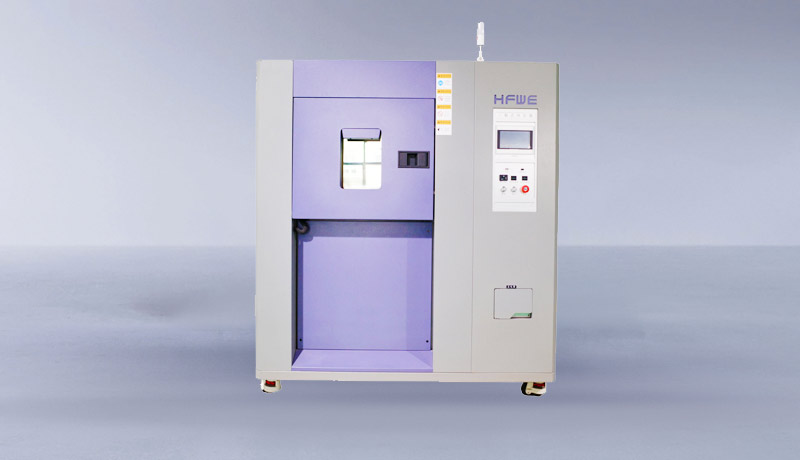
Advanced test capabilities and modern innovations
Modern iterations of a temperature-humidity chamber have expanded far beyond basic steady-state testing, integrating advanced features that support far more complex and realistic environmental simulation. Many high-end models of a temperature-humidity chamber now combine temperature-humidity control with additional stress factors such as vibration, UV exposure, or corrosive gas injection, creating combined environmental tests that replicate the full spectrum of real-world stress that products face during operation. A modern temperature-humidity chamber also features intelligent adaptive control systems that automatically adjust heating, cooling, humidification, and dehumidification rates to minimize overshoot when transitioning between setpoints, ensuring that even rapid environmental transitions follow the exact test profile programmed by the user. Remote monitoring and cloud connectivity features allow engineers to access test data and adjust parameters on a temperature-humidity chamber from anywhere in the world, eliminating the need for technicians to be physically present in the lab for long-duration tests that run for weeks or even months at a time. Energy efficiency improvements in the latest generation of a temperature-humidity chamber have also drastically reduced power consumption, using variable-speed compressors and heat recovery systems that cut operational costs by up to 40% compared to older legacy models, making continuous long-term testing far more economically sustainable for testing laboratories.
Conclusion
In summary, the purpose of a temperature-humidity chamber extends far beyond simply adjusting temperature and humidity levels inside a metal cabinet, as it serves as a foundational tool that bridges the gap between laboratory product design and the unpredictable, diverse environmental conditions of the real world. Every function of a temperature-humidity chamber, from its precise parameter control to its ability to run accelerated long-term tests, is designed to give engineers, researchers, and quality assurance teams the confidence that their products will perform reliably for their full intended service life, no matter where in the world they are deployed. Across every major industry, a temperature-humidity chamber has become the universal standard for environmental validation, creating consistent, repeatable, auditable test data that supports innovation, reduces product failure risk, ensures regulatory compliance, and protects end users from unsafe or unreliable goods. As products continue to become more complex and global supply chains demand higher levels of performance validation, the importance of a temperature-humidity chamber will only continue to grow, cementing its role as one of the most essential pieces of test equipment in modern industrial and scientific research. No other tool can deliver the same combination of accuracy, flexibility, and reliability that a temperature-humidity chamber provides, making it irreplaceable for any organization that is serious about delivering high-quality, durable products to market.
FAQ
What is the core working principle of a temperature humidity chamber?
A temperature humidity chamber uses integrated refrigeration, heating, humidification and dehumidification systems to maintain precise, stable temperature and relative humidity levels within a fully enclosed test space.
What industries commonly use a temperature humidity chamber for daily testing?
A temperature humidity chamber is widely applied in electronics, automotive, pharmaceutical, aerospace and new material sectors to verify product environmental adaptability and long-term operational reliability.
How long can a standard temperature humidity chamber run continuous cyclic tests?
A properly maintained temperature humidity chamber can run non-stop cyclic temperature and humidity tests for hundreds to thousands of hours without obvious parameter drift or performance attenuation.
What is the main difference between a temperature humidity chamber and a simple industrial oven?
Unlike industrial ovens that only control temperature, a temperature humidity chamber can precisely adjust both temperature and humidity synchronously to simulate complex real-world climate conditions.
What regular maintenance work does a temperature humidity chamber require?
You need to regularly clean the water tank, check the sensor calibration status and inspect the sealing strips of a temperature humidity chamber to ensure long-term test accuracy and stable operation.