



What are the key differences between a home oven and an industrial oven
You already know a home oven suits small, occasional cooking. An industry oven, however, is engineered for continuous, high-volume production. The differences go far beyond size. They affect power, durability, temperature precision, special features, upfront cost, and long-term maintenance. This guide compares each factor side by side. You will discover what sets them apart and decide which type fits your needs—whether for a family kitchen or a commercial operation.
Key Takeaways
Home ovens handle small meals occasionally. Industry ovens produce large batches continuously.
Industry ovens need special power and ventilation. Home ovens use standard outlets.
Commercial ovens last 20+ years with heavy use. Home ovens last 10-15 years.
Industry ovens offer precise temperature control and advanced features like steam injection.
Industry ovens cost more upfront. They save money through high volume and durability.
Capacity and Throughput
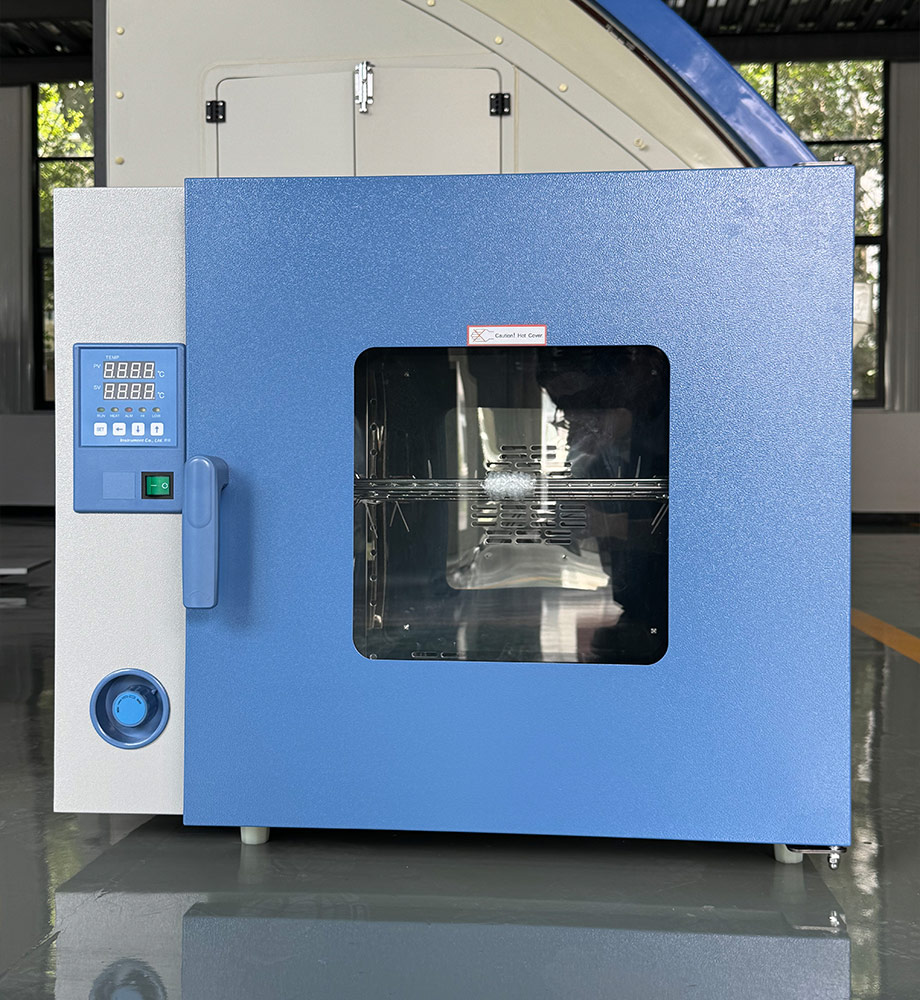
Capacity and throughput stand as the most critical differentiators between a home oven and an industry oven. A home oven fits a single family meal. A commercial unit handles large batches without stopping. This gap shapes everything from your daily cooking to a restaurant's dinner rush.
Batch Size and Cavity Space
A home oven typically holds one or two standard baking sheets on a single rack level. You can roast a chicken and bake a pie at the same time, but you cannot feed a crowd in one pass. The cavity space limits how much food you cook at once. Most home models offer around 3 to 5 cubic feet of interior room. That space suits a casserole dish, a dozen muffins, or a small turkey.
Commercial ovens dwarf these dimensions. A single deck can measure several feet wide and deep. Many models stack two or more decks high. Each deck holds multiple full-size sheet pans at once. You load dozens of cookies on several trays and slide them in together. The cavity space alone can be many times larger than that of a home unit.
Rack positions also differ. A home oven offers two or three shelf levels. A commercial oven provides many more. You can load several pans on each level. This stacking multiplies your output per cycle.
Consider a concrete example. You bake one tray of cookies at home. The process takes several minutes. You wait, remove the tray, and repeat. A commercial bakery runs dozens of trays back-to-back. The oven never cools between batches. Production continues for hours.
Continuous vs. Intermittent Use
A home oven works intermittently. You preheat it, cook a meal, and turn it off. The appliance rests for hours or days. This pattern matches household life. You cook breakfast, lunch, and dinner with long gaps between.
An industry oven runs continuously. During peak service, it operates for many hours without a break. The heating elements cycle on and off to hold temperature, but the oven never fully shuts down. This duty cycle demands robust components. A home oven would fail under such constant strain.
You notice this difference in recovery time too. Open a home oven door, and the temperature drops. The oven takes minutes to climb back. A commercial oven recovers in seconds. It keeps production on track.
Throughput measures how much food you produce in a given time. A home oven might turn out a few batches in an evening. A commercial oven produces dozens of batches in the same window. The difference compounds across a workday. A busy kitchen cannot afford idle time. Every minute the oven sits empty costs money.
You also face a scheduling difference. At home, you cook when you feel hungry. In a commercial setting, the oven runs on a production schedule. Bakers load trays at fixed intervals. The oven must keep pace. This continuous demand separates a household appliance from a production machine.
The capacity gap also affects menu planning. A home cook chooses recipes that fit the oven. A commercial chef designs a menu around what the oven can produce at volume. The equipment shapes the business model.
Power and Heat Output
Power and heat output separate home and commercial ovens by a wide margin. A home oven runs on standard household circuits. A commercial oven demands far more electrical capacity. This difference affects installation costs and cooking performance.
Wattage and Voltage Demands
Your home oven plugs into a standard household outlet. Most household kitchens have this setup ready. The circuit handles the typical wattage of a home appliance. You do not need special wiring.
Commercial ovens require much more power. They often need dedicated high-voltage circuits. Some models use three-phase power. Three-phase power is rare in homes. It provides more consistent energy delivery. The higher wattage lets commercial ovens reach temperature faster. It also maintains heat during heavy use.
Installing a commercial oven in a home kitchen usually requires an electrician. You may need to upgrade your electrical panel. This process adds significant cost. Many home kitchens simply cannot support the power draw. You must check local codes and your home's electrical capacity before purchasing.
Ventilation also differs. Home ovens vent into the kitchen. Commercial ovens produce more heat. They require industrial exhaust hoods. You cannot install a commercial oven without proper ventilation. The heat output alone can overwhelm a standard kitchen.
Temperature Recovery After Opening
Temperature recovery is critical during peak service. Open a home oven door and the temperature drops significantly. The heating elements take time to bring the cavity back to the set point. You wait minutes between batches.
An industry oven recovers temperature much faster. Higher wattage heating elements push heat back into the cavity almost immediately. The oven stays at the correct temperature throughout the cooking cycle. This speed matters when you open the door dozens of times per hour.
Recovery time affects food quality. A home oven's temperature swings can produce uneven results. Cookies spread differently. Bread crusts form inconsistently. A commercial oven's rapid recovery keeps every batch identical.
The practical difference is clear. Home cooking tolerates a minute or two of temperature drop. Commercial production does not. Every second of recovery time slows down service. Faster recovery means more output per hour.
Construction and Durability
Construction quality tells you a lot about an oven's expected lifespan. Home ovens use materials that balance cost with adequate performance. An industry oven uses tougher materials. It must survive years of constant use.
Materials and Build Quality
Open the door of a typical home oven. You find lightweight sheet metal and thin insulation. The door hinges feel plastic. The handle may rattle after a few years of use. These materials keep the price low. They work fine for occasional baking.
A commercial oven feels different. The cabinet uses heavy-gauge stainless steel. The door hinges have reinforced bearings. The handle is solid metal. Welders join every seam. There are no gaps for heat to escape. The oven stays cooler on the outside. Thicker insulation holds heat inside the cavity.
You notice the door seal too. A home oven uses a simple gasket. It works but wears out faster. A commercial oven uses a tight compression seal. You can open and close the door thousands of times. The seal maintains its grip.
The interior walls feature a porcelain or ceramic coating. This coating resists scratches and corrosion. You can scrub the oven clean without damaging the surface. Home ovens use lighter coatings. They chip more easily.
Look at the control panel. Home ovens have plastic buttons. Commercial ovens use metal switches or sealed digital controllers. These parts last longer in a busy kitchen.
Duty Cycles and Lifespan
A home oven runs for a few hours each day at most. Its duty cycle is low. The convection fan motor runs briefly. The heating elements cycle on and off. This pattern lets the oven last for many years under normal use.
A commercial oven operates differently. It runs for many hours straight. The fan motor spins continuously. The heating elements cycle to maintain a steady temperature. This constant demand requires robust components. The bearings, wiring, and controls handle this strain without failure.
You see this difference in warranty terms. Home oven warranties cover a limited number of years. Commercial oven warranties often cover parts for a longer duration. Manufacturers expect the commercial unit to survive longer.
The duty cycle also affects maintenance. A home oven may need a new heating element after several years. A commercial oven needs routine cleaning and occasional seal replacement. Its modular design makes repairs fast. You replace a faulty component instead of discarding the whole unit.
Temperature Control and Precision
Temperature control separates a casual baker from a production operation. A home oven swings above and below your set point. An industry oven holds a tight range across the entire cavity. This precision determines whether your product turns out the same every single time.
Accuracy and Consistency
A home oven often varies by tens of degrees from the dial setting. The thermostat cycles on and off. Hot spots form near the heating elements. Your cookies may brown unevenly on one side of the pan. You learn to rotate trays and accept the inconsistency.
Commercial ovens use advanced thermocouples and proportional controllers. These sensors read the cavity temperature many times per second. The controller adjusts heat output to match the set point. Every rack position receives even heat. You get identical results from the front of the oven to the back.
This consistency matters for food safety and quality. Bread must reach a specific internal temperature. Pastries need steady heat for proper lamination. A commercial oven delivers that reliability batch after batch.
Controls and Programming
Home oven controls offer basic functions. You set a temperature and a timer. Some models include a few preset modes for baking or broiling. That is the extent of your programming options.
Commercial ovens provide far more advanced features. You can automate complex baking sequences without standing at the oven. These capabilities include:
Phase Insertion technology for multi-stage baking with up to 99 phases, automatically adjusting temperature during the bake
Recipe memory that saves up to 99 recipes with precise temperature, baking times, and steam durations
USB sharing so you can copy recipes and share them across locations
Programmable Auto-Start that pre-heats the oven based on a programmed schedule
An Automatic Exhaust Damper that opens exactly when the recipe demands it to release moisture, ensuring a crispy crust without manual intervention
These tools let you replicate a perfect bake every time. You load the oven, select a recipe, and walk away. The industry oven handles the rest.
Features and Functionality
Standard Home Oven Features
Modern home ovens pack features that make everyday cooking easier. True convection tops the list. This feature uses a fan to circulate hot air for even baking. You find it on models like the Whirlpool WFES7530RZ and the GE GRS600AVFS. Air-fry settings have become just as common. The LG LREL6325F includes a built-in Air Fry feature that produced crispy French fries in testing. Smart connectivity now appears widely too. The GE GRS600AVFS connects to the SmartHQ app for remote control and monitoring.
Model | True Convection | Air-fry Setting | Wi-Fi or Smart Features |
|---|---|---|---|
Frigidaire Gallery GCFE3070BF | Yes | Yes | No |
Whirlpool WFES7530RZ | Yes | Yes | Yes |
GE GRS600AVFS | Yes | Yes | Yes |
LG LREL6325F | Yes | Yes | Yes |
GE GRS500PVSS | No | No | No |
Buyers reward these features with strong reviews. Customers at AJ Madison give the GE GRS600AVFS 4.5 stars, praising its convection and air-fry capabilities. Home Depot owners appreciate its easy-to-clean tray. Lowe's customers give this GE range an average 4.4-star rating and call out the Wi-Fi connectivity as an added benefit. You also get warming zones, keep-warm settings, and dishwasher-safe air fry baskets on many models.
Specialized Industry Oven Features
An industry oven offers capabilities you will never find in a home kitchen. Deck ovens with stone or brick hearths lead the list. These ovens use radiant and conductive heat from the hearth. They bake artisan bread, sourdough, baguettes, bagels, and pizza with a thick, crackling, blistered crust. Steam injection is the key feature here. It keeps the crust pliable while the loaf expands, then evaporates to leave a glossy finish. Each deck has its own temperature control, so you can bake baguettes, focaccia, and rolls at the same time.
Other specialized designs serve different production needs:
Rack ovens with rotating racks suit high-volume wholesale bakeries for labor efficiency
Convection ovens combine with deck or rack ovens in retail bakeries with mixed production
Vapor tube ovens circulate heat by gravity for intense top heat and good recovery
Thermal oil ovens pump heated oil through the deck mass for even temperatures
Cyclothermic ovens recirculate hot combustion gases for excellent thermal mass
Integrated steam generators deliver the most consistent steam results. These systems cost more upfront. Trough steam and external steam generators offer alternatives. Each design targets a specific baking outcome that home equipment cannot match.
Industry Oven vs. Home Oven: Cost and Maintenance
The price tag tells only part of the story. A home oven costs less upfront. An industry oven demands a bigger investment. The full picture includes installation, energy use, and long-term maintenance.
Purchase and Installation Costs
A typical home oven is relatively affordable, with many models costing much less than a commercial model. You plug it into a standard household outlet. No special wiring is needed. You slide it into a cabinet cutout and start cooking. The total cost stays low.
An industry oven costs significantly more. That price buys heavier materials and advanced controls. Installation adds more. You often need an electrician for a dedicated high-voltage circuit. Many commercial models require three-phase power. Your kitchen may lack this setup. You might need a panel upgrade. Ventilation adds another cost. A commercial oven produces intense heat. You need an industrial exhaust hood. This system alone can cost thousands. The total installed price can be substantially higher than the purchase price.
You must also consider space. Commercial ovens are larger and heavier. Your floor may need reinforcement. Doorways may need widening. These hidden costs surprise many buyers.
Operating and Repair Costs
A home oven uses electricity efficiently for occasional use. Your monthly energy bill rises only slightly. Repairs happen rarely. When they do, a new heating element or thermostat is relatively inexpensive. The appliance typically lasts for many years.
A commercial oven runs for hours each day. It consumes more total energy. But it produces far more food per unit of energy. This efficiency matters for a business. The cost per loaf of bread is lower with a commercial unit.
Maintenance costs differ too. A commercial oven needs regular professional service. You clean it daily. You replace seals and gaskets yearly. These costs add up. But the oven can last for decades. The total cost of ownership often favors the commercial unit for high-volume use.
Operating cost now separates these ovens more than raw performance does. Performance gaps have narrowed. Modern home ovens bake well. But their energy cost per item stays higher for large batches. A commercial oven earns its keep through volume.
Intended Use and Applications
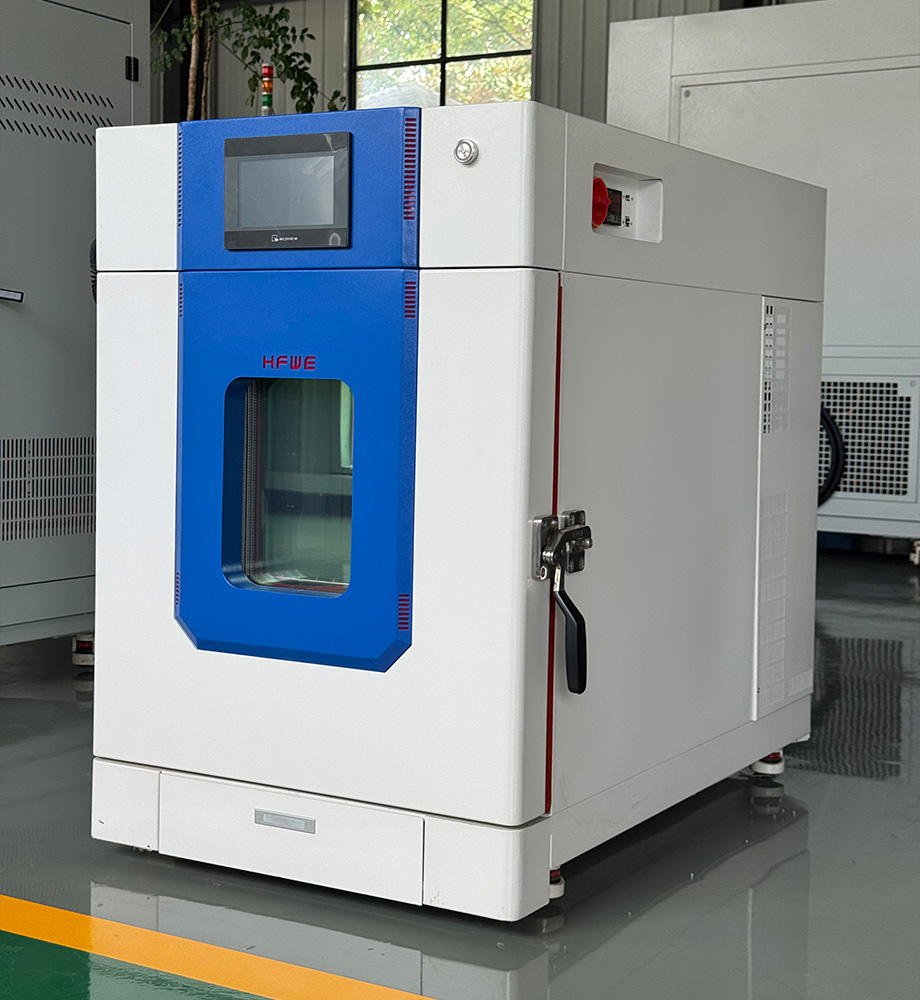
Every oven serves a purpose. The right choice depends on how you cook, how often you cook, and how much food you need to produce. This section helps you match the equipment to your real-world needs.
Home Cooking Scenarios
A home oven fits the rhythm of family life. You bake a birthday cake on a Saturday afternoon. You roast vegetables for dinner on a weeknight. You warm leftovers or broil a quick lunch. These tasks take an hour or two. The oven rests between uses.
You also value convenience over volume. A home oven preheats in minutes. It fits under a standard counter. It runs on the electrical service your house already has. You do not need special ventilation or a reinforced floor. The appliance works quietly in the background of your daily routine.
Consider your typical week. You might bake cookies once, roast a chicken once, and reheat a few meals. That pattern suits a home oven perfectly. The appliance handles occasional peak demand, like a holiday turkey, without strain. You never push it to run for ten hours straight.
Home cooking also tolerates small imperfections. A slightly uneven bake still tastes good. You rotate the pan and move on. You do not need identical results across dozens of trays. The stakes are low, and the oven meets them well.
When an Industry Oven Makes Sense
An industry oven makes sense when production volume drives your decisions. You run a bakery, a restaurant, or a catering business. You bake a large volume of loaves or cookies each day. You need consistent results across every batch. A home oven cannot keep up with that pace.
You also need features that home ovens lack. Steam injection creates a glossy crust on artisan bread. Multi-deck configurations let you bake different products at once. Programmable recipes automate complex sequences. These capabilities directly affect your product quality and your bottom line.
Your business model also justifies the investment. A commercial oven costs more upfront. It requires dedicated power and ventilation. But it produces far more food per hour. It lasts for many years. The cost per item drops as volume rises. For a food business, that math works.
You should also consider your growth plans. A home oven limits how much you can sell. An industry oven removes that ceiling. You can take on larger orders, serve more customers, and expand your menu. The equipment becomes a tool for growth, not just a cooking appliance.
Finally, think about your daily reality. If you open the oven door dozens of times during service, you need fast recovery. If you bake the same recipe every morning, you need precise repeatability. If you run eight-hour production shifts, you need durability. An industry oven delivers all three. A home oven does not.
Seven factors separate these appliances: capacity, power, durability, precision, features, cost, and use. A home oven serves occasional, small-scale cooking. An industry oven handles continuous, high-volume production. Household models plug into standard outlets. Commercial units need dedicated high-voltage circuits and industrial hoods. Home ovens use lighter materials and typically last for many years. Commercial ovens survive constant use for a much longer period. Basic dials control a home oven. Programmable recipes and steam injection drive commercial models. You pay less upfront at home. A commercial unit costs more but earns its keep through volume. Match your daily output, space, and budget to pick the right one.
FAQ
Can you install an industry oven in a home kitchen?
You can, but the process involves significant challenges. A commercial oven needs a dedicated high-voltage circuit. Many models require three-phase power. Your home likely lacks this setup. You also need an industrial exhaust hood. These requirements add thousands of dollars to the installation cost.
How long does a home oven last compared to a commercial oven?
A home oven typically lasts for many years under normal use. A commercial oven can last for a much longer period. The difference comes from construction quality and duty cycles. Commercial ovens use heavy-gauge stainless steel and reinforced components. They handle constant operation without failure.
Why does temperature recovery matter so much in a commercial oven?
You open the oven door dozens of times during peak service. Each opening drops the cavity temperature. A home oven takes a while to recover. A commercial oven recovers very quickly. This speed keeps production on track. Slow recovery creates uneven bakes and delays orders.
What features does an industry oven have that a home oven lacks?
An industry oven offers steam injection for artisan bread crusts. It provides multi-deck configurations for baking different products at once. Programmable recipes automate complex sequences with up to 99 phases. USB sharing lets you copy recipes across locations. A home oven offers none of these capabilities.
Is a commercial oven worth the higher price for a small bakery?
Yes, if production volume drives your business. A commercial oven costs more upfront. It requires dedicated power and ventilation. But it produces far more food per hour. It lasts for many years. The cost per item drops as volume rises. A home oven limits your growth.