



What is a drying oven used for
A drying oven removes moisture from materials through controlled heating. This heated chamber handles drying, curing, sterilizing, and testing tasks. You will find these ovens at work in laboratories, manufacturing plants, and quality assurance programs. The global drying ovens market reached USD 4.2 Billion in 2024, according to industry reports. You use these ovens to prepare samples, cure adhesives, sterilize instruments, and test material durability. Each application demands precise temperature control and even heat distribution. Manufacturers rely on these chambers for consistent results across production runs. Laboratories use them to dry glassware, process soil samples, and remove moisture from chemicals. Quality teams depend on them for aging tests and moisture content analysis.
Key Takeaways
A drying oven uses controlled heat to remove moisture, enabling sample preparation and bulk drying.
You can cure adhesives and coatings with precise temperature ramps for strong, durable bonds.
Dry heat sterilization at 160°C for two hours disinfects instruments without moisture or rust.
Vacuum drying protects heat-sensitive materials by lowering boiling points at gentle temperatures.
Drying Oven for Sample and Material Drying
Laboratory Drying Tasks
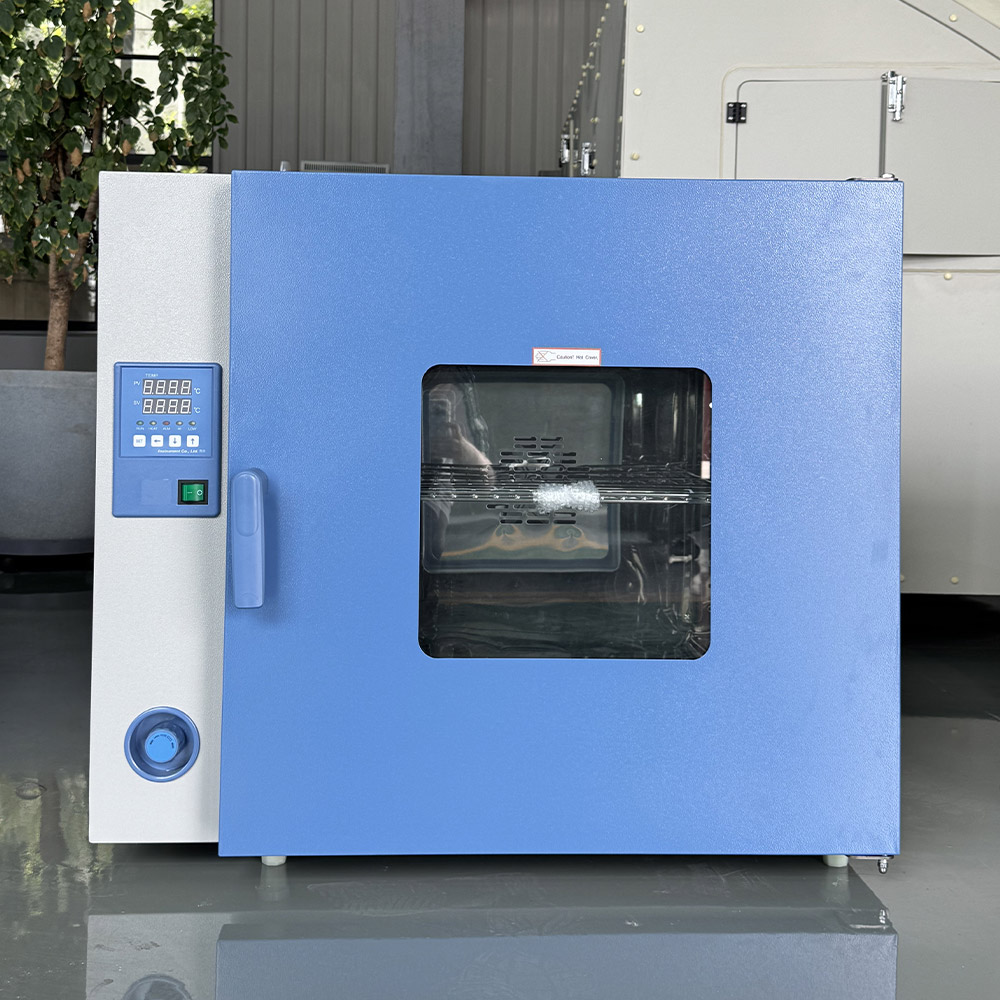
You will find a drying oven in almost every laboratory. Technicians use these chambers to evaporate water or residual solvents from glassware and samples before analysis, according to Kansas State University's laboratory oven safety guidance. Glassware drying is one of the most routine jobs. After washing, containers, bottles, and test tubes go into the oven for fast, thorough moisture removal. Forced-air circulation helps improve heat transfer and temperature uniformity, so every piece dries evenly.
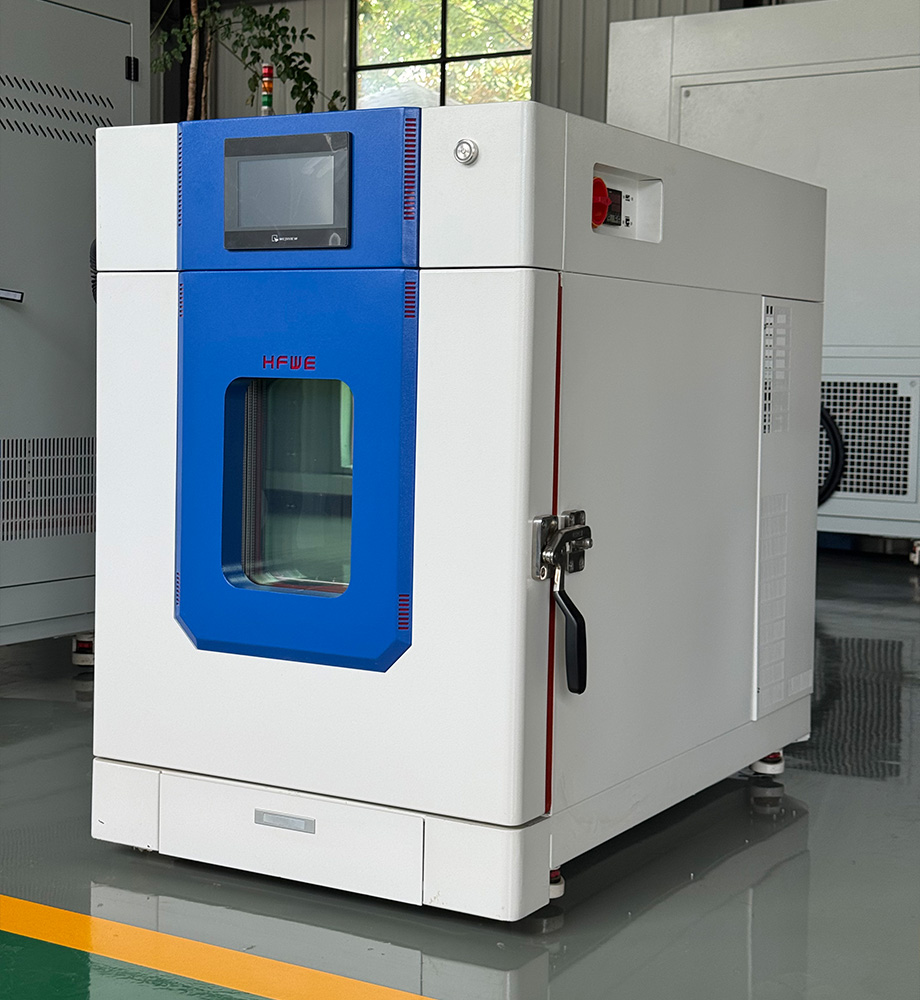
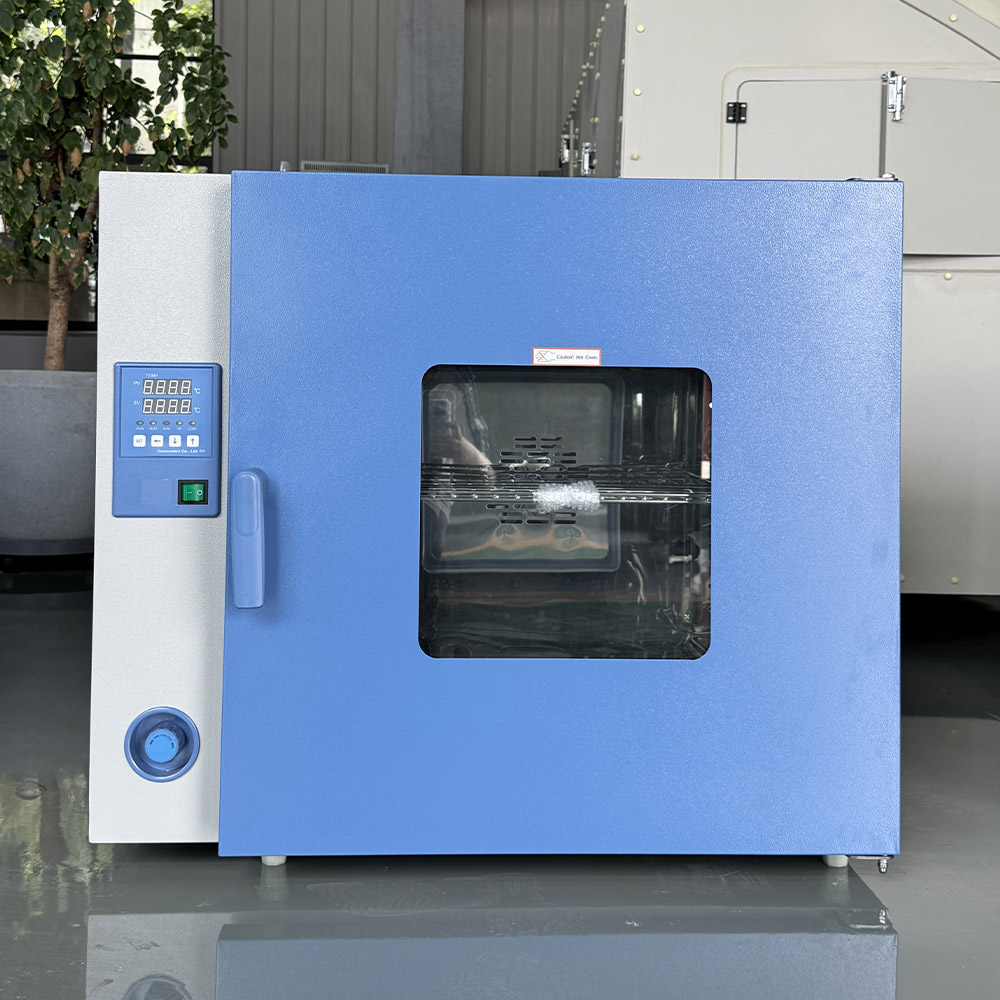
Soil sample preparation follows a similar pattern. You spread samples on stainless steel trays and dry them at 40–60°C to reduce loss of volatile compounds. This low-temperature approach suits organic-rich and moisture-sensitive soils. Drying time drops to 12–24 hours compared with 2–7 days for air drying. For moisture-sensitive materials, a vacuum oven option lowers the boiling point. This lets you dry powders, granulates, or electronic components at gentler temperatures. HFWE ovens reach up to 300°C with uniformity of ±2.0°C at 100°C, giving you precise control across these tasks.
Industrial Bulk Drying
Industrial settings demand larger chambers and higher throughput. You load bulk materials onto shelves or trays, and the oven removes moisture through controlled heating and air exchange. Forced-air models use mechanical convection to carry heat to every part of the load and sweep released moisture toward the exhaust. This balance between heat and extraction separates a real drying oven from a general heating chamber. Without airflow, humid air recirculates and drying becomes slow and uneven.
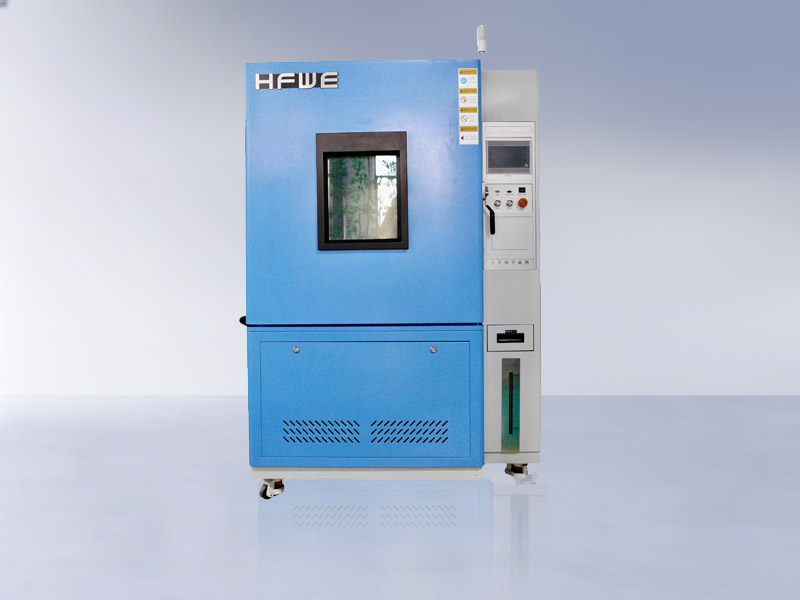
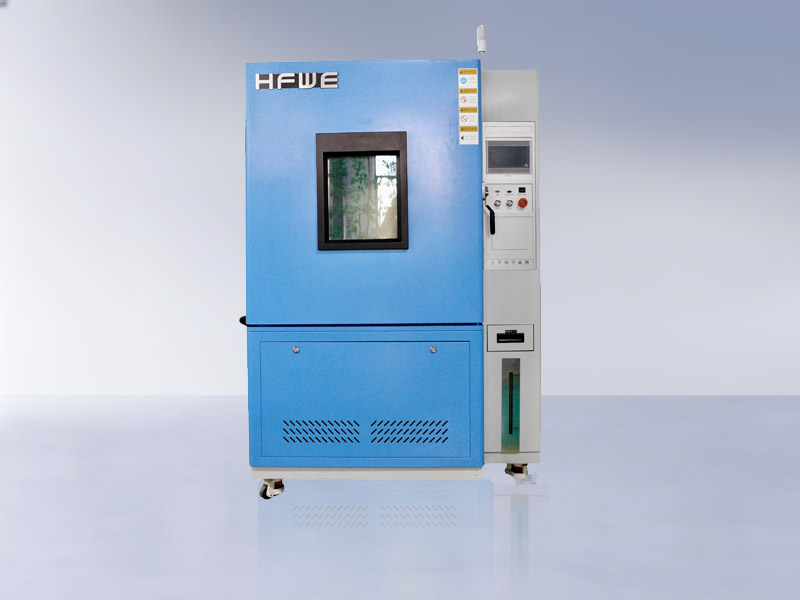
Natural convection models offer a gentler option. They rely on hot air rising and cool air sinking, which suits fine powders, lightweight films, and samples prone to cross-contamination. These ovens produce no fan-induced disturbance, so delicate materials stay intact. HFWE builds both forced-air and natural convection models in chamber sizes from 55L to 500L and beyond. You can customize airflow method, shelf configuration, and controller type to match your process. This flexibility supports everything from routine bulk drying to specialized material conditioning.
Curing and Bonding Applications
Adhesive and Epoxy Curing
You use controlled heat to cure adhesives and epoxies across many industries. The oven triggers chemical changes like molecular cross-linking. This process turns liquid bonding agents into solid, durable joints. Automotive manufacturers cure printed seals on head gasket layers. Aerospace facilities cure lightweight composites and coated parts. These parts must meet strict performance standards. General manufacturing depends on consistent curing cycles for adhesives, plastics, and composite assemblies.
Each curing task demands precise temperature control. You must manage ramp rates and hold times to achieve repeatable bond strength. In biomaterials and drug delivery, this precision becomes critical. A drying oven gently removes solvents from tissue-engineering scaffolds. The oven does not damage their delicate structures. It also cures coatings that control drug release rate and timing. Improper temperature control can cause the drug to release too quickly or not at all. Advanced control systems manage these parameters. They ensure safety and effectiveness in materials used inside the human body.
Coating and Ceramic Setting
Curing ovens also handle powder coatings, liquid paints, and ceramic setting processes. Controlled heat triggers chemical changes that harden finishes properly. This process ensures coatings adhere correctly and resist wear. Furniture manufacturers use these ovens for varnishes and sealers. Metal finishing facilities cure powder-coated frames and appliances. The ovens provide multiple heat zones for fast, even heating.
Industrial curing ovens come in several configurations. You can choose electric infrared models or natural gas convection systems. Some handle Class A solvent processing. Benefits include increased line speeds and reduced floor space. Precise control of heater elements improves production throughput. These ovens deliver repeatable results through stable, uniform heat distribution. The finish quality remains consistent across every production run.
Sterilization and Decontamination Roles
Dry Heat Sterilization
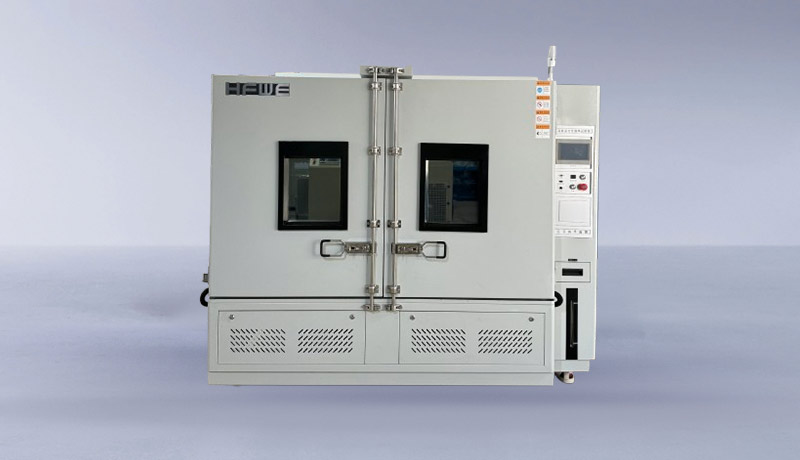
You can use a drying oven to sterilize medical instruments and laboratory equipment without moisture. Dry heat sterilization kills microorganisms through oxidation. The process requires higher temperatures than steam sterilization. You must follow validated time and temperature combinations for reliable results.
Temperature | Exposure Time |
|---|---|
170°C | 60 minutes |
160°C | 120 minutes |
150°C | 150 minutes |
Up to 250°C | Variable (depyrogenation) |
Biological indicators confirm the process works. Bacillus atrophaeus spores are more resistant than steam validation organisms. You use them to verify that the oven reaches every point in the load. The primary standard is ISO 20857. This standard provides guidelines for developing and validating dry heat sterilization processes for medical devices.
Follow these steps for medical instrument sterilization:
Preheat the oven to 160°C.
Clean the instruments thoroughly before sterilization.
Wrap the instruments in aluminum foil or place them in an oven-safe container.
Bake the wrapped instruments for at least 2 hours at 160°C.
Allow the instruments to cool before storing them in a clean, dry place.
You can also sterilize glassware, metal instruments, oils, and powders using this method. The oven destroys all microorganisms including endospores and viruses. Temperatures typically range from 160°C to over 200°C. Exposure times vary from 1 to 2 hours at 160°C or 30 to 60 minutes at 180°C. You must match the time and temperature to the load type and size.
Laboratory Equipment Decontamination
You also use ovens for routine decontamination of lab equipment. Heat-stable, anhydrous materials benefit from dry heat decontamination at 160°C for 120 minutes. This process eliminates microbial contamination from glassware and metal tools.
Some ovens can function as incubators for bacteria and fungi. However, the two devices serve different purposes. Incubators provide stable biological growth conditions near 37°C. They control temperature to within ±0.1°C. Ovens reach up to 300°C. They offer precise control but not as fine as incubators. Incubators also regulate humidity and CO₂ levels for cell cultures. Ovens do not include these features. For growing bacteria or fungi, you need an incubator. For sterilizing and decontaminating equipment, an oven is the right choice.
Using the wrong equipment can ruin experiments and compromise safety.
HFWE ovens meet relevant certification standards. You can trust them for reliable decontamination cycles.
Thermal Testing and Material Conditioning
Moisture Content Determination
You rely on a drying oven to measure how much water a sample holds. This test matters for soil, food, aggregates, and many raw materials. Accurate moisture data affects weight, composition, and quality decisions. The procedure follows a clear sequence.
Weigh a representative sample on a calibrated balance.
Place the sample in a convection or vacuum oven at a controlled temperature. Most food and agricultural materials dry at 100–110°C. Heat-sensitive materials need lower settings.
Dry the sample until it reaches constant weight. This usually takes 2–24 hours, depending on material and sample size.
Cool the sample in a desiccator to prevent moisture reabsorption, then re-weigh it.
Calculate moisture content as the percentage weight loss: (initial weight – final weight) / initial weight × 100.
You must verify oven temperature with calibrated thermometry. Do not trust the display alone. Small deviations can skew results. This method meets standards such as ASTM D2216, AOAC 925.10, and ISO 712. Precise temperature control ensures repeatable results. Uniform heating prevents uneven drying that could alter material properties.
Accelerated Aging and Heat Treatment
You use thermal testing to predict how materials perform over time. Electronic components undergo burn-in and aging tests to reveal early failures. Resistors, capacitors, and integrated circuits go into aging ovens with timers and over-temperature protection. Hot air circulating ovens suit conventional components. Nitrogen ovens prevent oxidation for semiconductor chips and precision resistors. Vacuum ovens dehumidify chips and wafers at lower temperatures. Clean room ovens with HEPA filters serve wafers and other high-cleanliness parts.
Polymers also need heat treatment. Post-curing strengthens plastics after initial forming. PTFE and other polymers undergo sintering at elevated temperatures. These steps improve thermal resistance and dimensional stability. HFWE ovens support aging tests and quality assurance programs. You can run thermal resistance checks and material conditioning with confidence. Compliance with ASTM guidelines depends on meeting specific temperature and duration requirements. Minimized temperature fluctuations protect your data accuracy.
Specialized Drying Oven Uses
Beyond routine drying, curing, and sterilization, these chambers handle several specialized tasks. These applications push the system into new roles. They include serving as an incubator for biological work and processing materials that cannot tolerate normal atmospheric conditions.
Drying Oven as an Incubator
You can repurpose a drying oven as a basic incubator for certain biological applications. Set the temperature to 37°C for bacterial cultures or 25°C for fungal growth. The unit provides stable heating within ±2.0°C. This suits many non-critical incubation tasks. The approach works well in laboratories lacking a dedicated incubator or needing extra capacity for short-term projects.
However, you must understand the limits. The chamber does not control humidity or CO₂ levels. These factors matter for cell cultures and sensitive microorganisms. For robust bacteria and fungi, the oven functions adequately. You can also use it for heat-shocking competent cells or maintaining enzyme reaction temperatures. In materials science and manufacturing, these ovens cure adhesives, plastics, and rubbers. They also anneal metals and glass to relieve internal stresses and improve ductility. This dual role makes the tool versatile across disciplines. You must match the oven's capabilities to your specific process requirements.
Vacuum Drying for Sensitive Materials
Vacuum chambers serve materials that cannot handle high temperatures or oxygen exposure. The vacuum lowers the boiling point of water and solvents. This allows drying at much lower temperatures. It protects heat-sensitive items like semiconductor wafers, electronics, polymers, and pharmaceuticals.
In semiconductor manufacturing, thermal curing determines bonding strength, reliability, and overall device quality. Vacuum conditions provide void-free bonding. Vacuum suction extracts air pockets and volatiles from adhesives. This prevents delamination or microvoids. Chemical reactions complete efficiently at lower heat levels. This protects delicate components. Uniform vacuum and temperature ensure consistent curing across the entire wafer surface. The absence of oxygen prevents material degradation and discoloration. These ovens suit cleanroom-level wafer packaging and MEMS production.
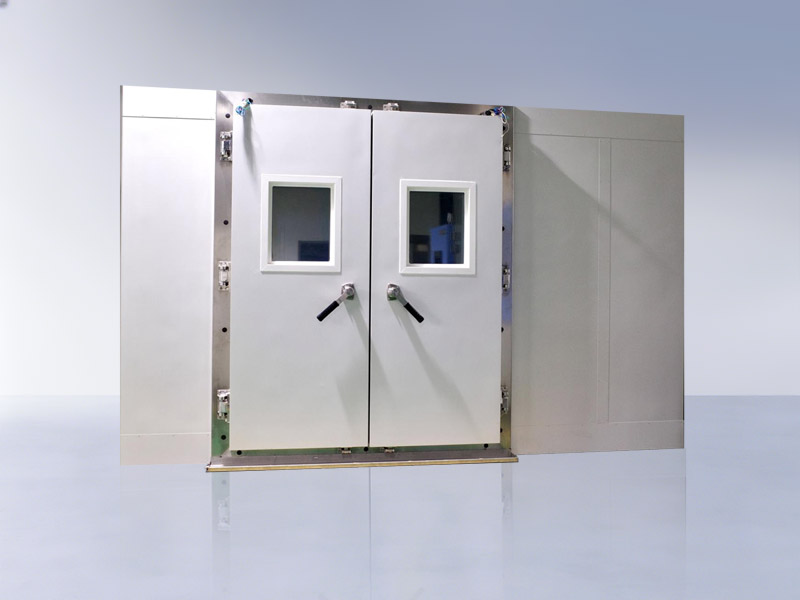
Industrial walk-in ovens handle large-scale curing and drying needs. These batch ovens dry, preheat, anneal, stress relieve, and temper large parts. They cure fiberglass and carbon fiber components for aerospace and automotive manufacturing. Walk-in ovens allow operators to walk or roll materials inside. Dry-off models remove moisture and solvents before painting or packaging. HFWE offers customized configurations to match your specific thermal processing needs. You can choose from vacuum-sensitive chambers or oversized industrial units.
You now see the full picture of what this chamber accomplishes. It dries samples and bulk materials. It cures adhesives and coatings. It sterilizes laboratory equipment through dry heat. It tests moisture content and accelerates material aging. It handles specialized tasks like vacuum drying for sensitive components. These five categories cover all major uses from laboratory work to large-scale manufacturing. A drying oven delivers controlled moisture removal and precise heat processing. Each application demands consistent, repeatable results. You rely on this chamber for accuracy across every test and production run. The answer to the title question is clear. This tool is essential for any task requiring exact temperature control and uniform heat distribution. It serves as the backbone of thermal processing in countless industries.
FAQ
What temperature range do drying ovens support?
Most models reach up to 300°C. You can set lower temperatures for heat-sensitive materials. HFWE ovens maintain uniformity of ±2.0°C at 100°C. This precision suits sample preparation, curing, and aging tests. Always verify chamber temperature with a calibrated sensor before critical runs.
Can you use a drying oven for sterilization?
Yes. Dry heat sterilization kills microorganisms through oxidation. You need higher temperatures than steam methods. Common cycles include 170°C for 60 minutes or 160°C for 120 minutes. Follow ISO 20857 guidelines for medical device validation. Biological indicators confirm the process reaches every point in the load.
When should you choose a vacuum oven over a standard model?
Choose vacuum drying for moisture-sensitive or heat-sensitive materials. The vacuum lowers water's boiling point. This lets you dry powders, electronic components, and pharmaceuticals at gentler temperatures. You also prevent oxidation and remove air pockets from adhesives. Semiconductor and battery research rely on this approach.
Can a drying oven work as an incubator?
You can set the temperature to 37°C for bacteria or 25°C for fungi. The chamber provides stable heating within ±2.0°C. However, it does not control humidity or CO₂ levels. Use it for robust organisms or short-term projects. For cell cultures, choose a dedicated incubator instead.
What chamber sizes are available for industrial use?
HFWE offers sizes from 55L to 500L and beyond. You can customize airflow method, shelf configuration, and controller type. Forced-air models suit bulk drying. Natural convection models protect delicate samples. Walk-in ovens handle large parts for aerospace and automotive curing.