

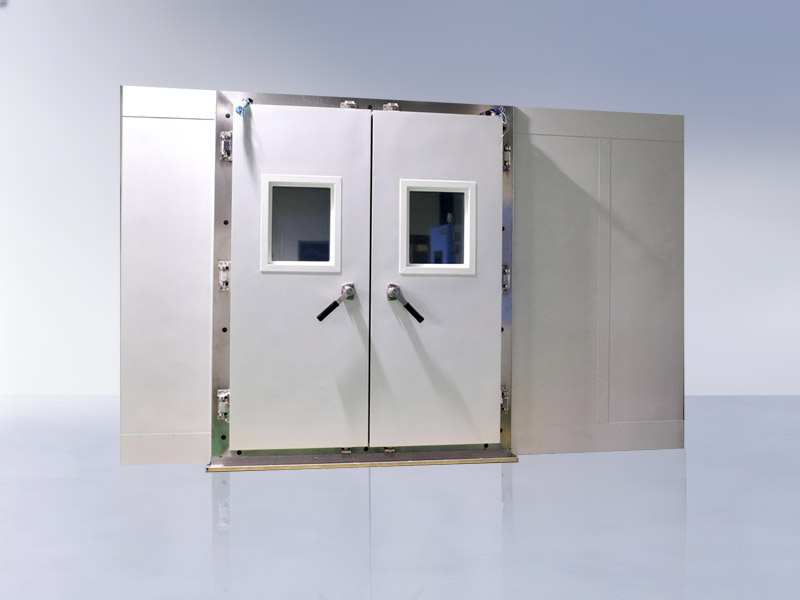


Why choose an industrial oven manufacturer offering OEM manufacturing services
You gain three clear advantages when you choose an industrial oven manufacturer that offers OEM services: tailored solutions, cost efficiency, and faster time-to-market. These benefits matter most when a standard oven cannot match your process.
OEM services and standard oven offerings each serve different needs. A practical comparison helps you see where each option fits best. You should weigh application fit, performance, compliance, and cost before you commit. This post gives you the facts to make that call with confidence. You will learn how each factor shapes your decision and where OEM support adds real value to your production line.
Key Takeaways
OEM services let you customize the oven to fit your exact parts and process, improving results.
OEM design can save money by avoiding wasted energy and reducing rework.
OEM manufacturers provide engineering expertise and strict quality control for reliable performance.
OEM partners help you meet safety and regulatory standards with proper documentation.
An OEM partner grows with your business, offering scalable solutions and ongoing support.
Customization and Application Fit
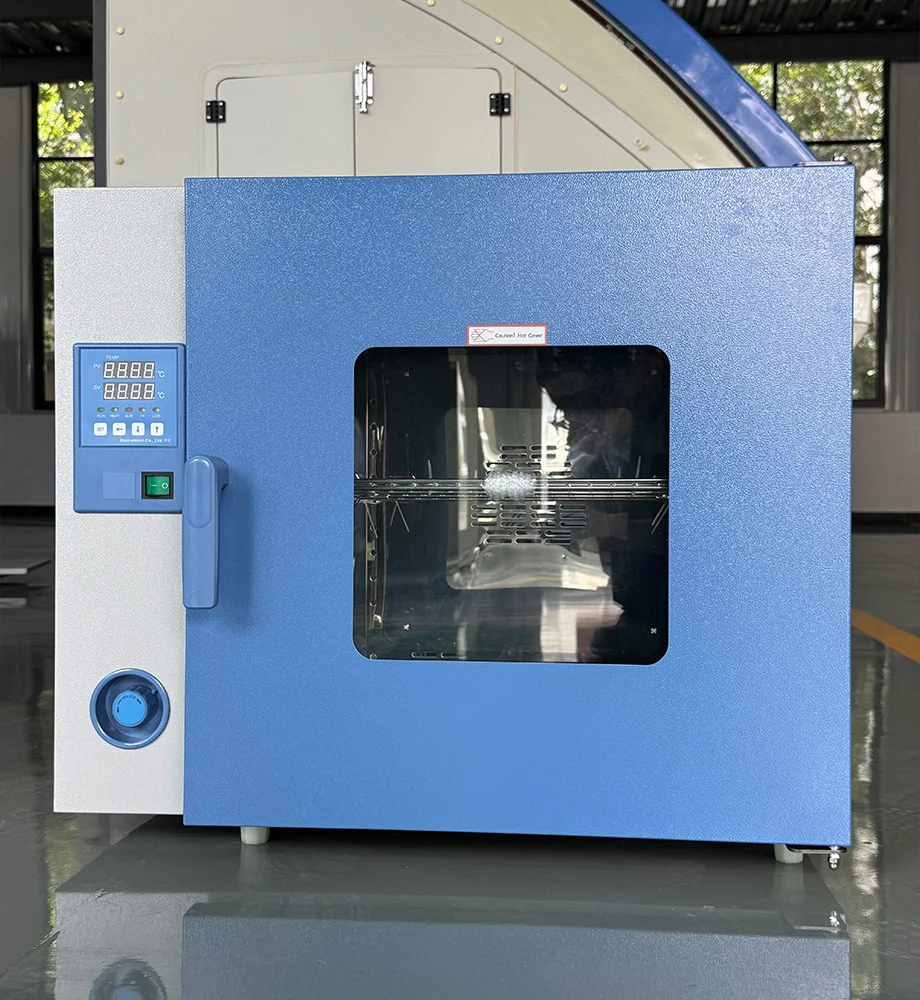
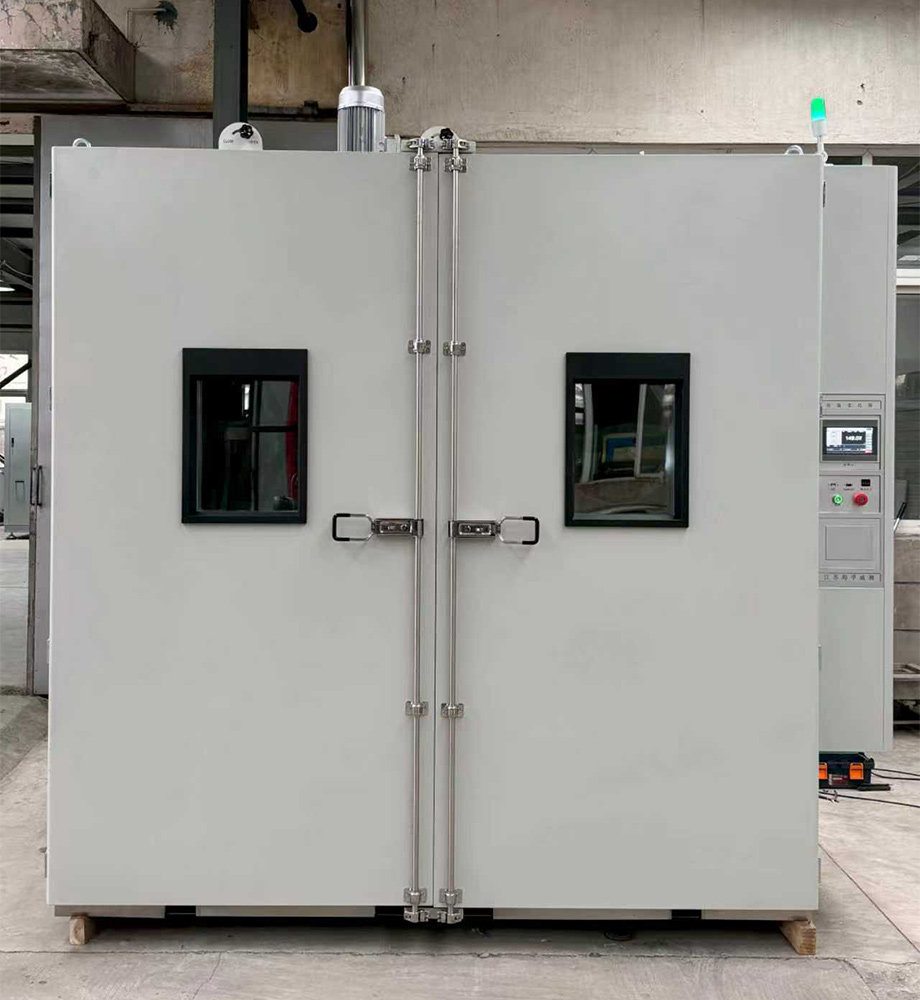
A standard oven arrives with fixed dimensions, fixed airflow, and a fixed control package. You then build your process around those limits. OEM services flip that order. You define the chamber size, the heat profile, and the loading method first. The industrial oven manufacturer then builds the unit around your specification. That difference decides whether your oven supports your process or constrains it.
Tailoring to Technical Requirements
Start with the physical envelope. Your parts may be long shafts, wide panels, or tall racks that fit poorly into a catalog chamber. An OEM build lets you set interior dimensions, door clearance, and shelf spacing to match the load. You also set the thermal targets. A coating cure may need a gentle ramp to avoid surface defects. A metal stress-relief cycle may need a higher soak temperature. You specify the working range, the allowable spread across the chamber, and the control resolution you need to hold it.
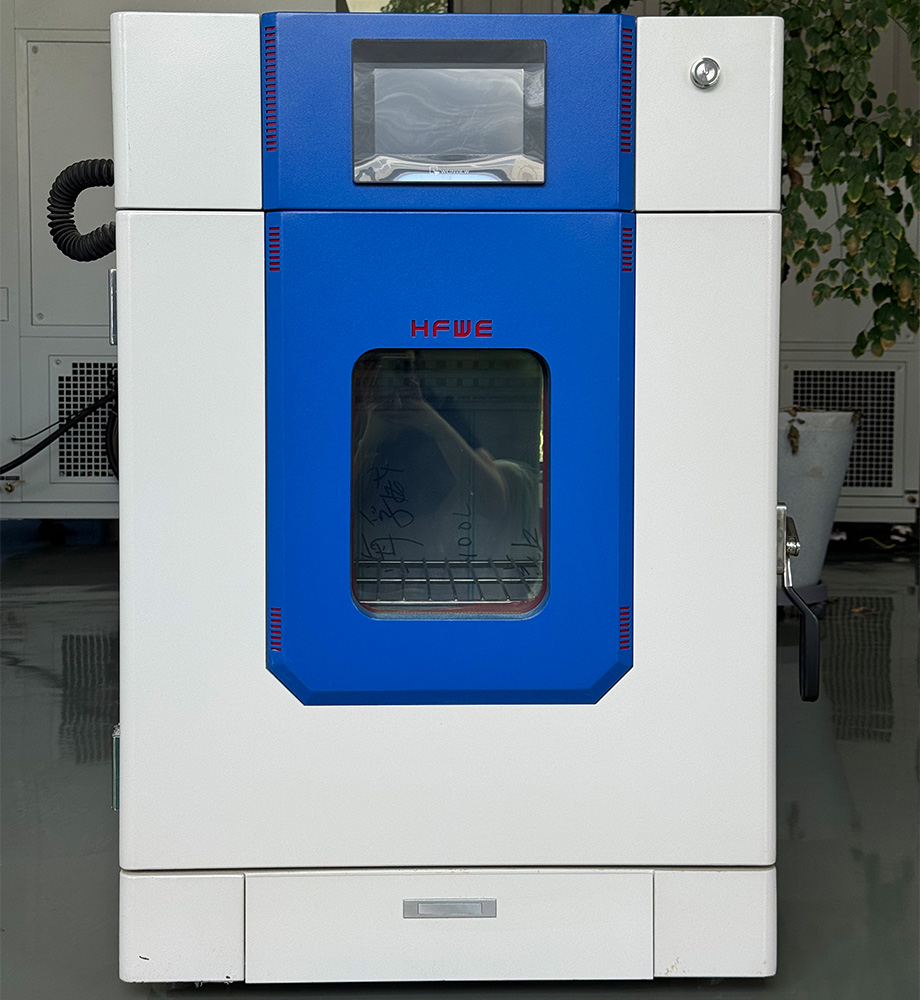
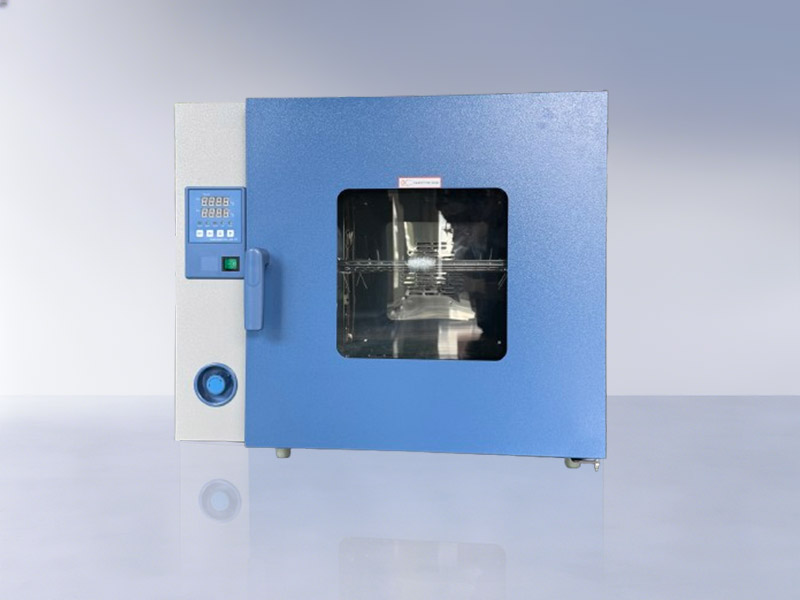
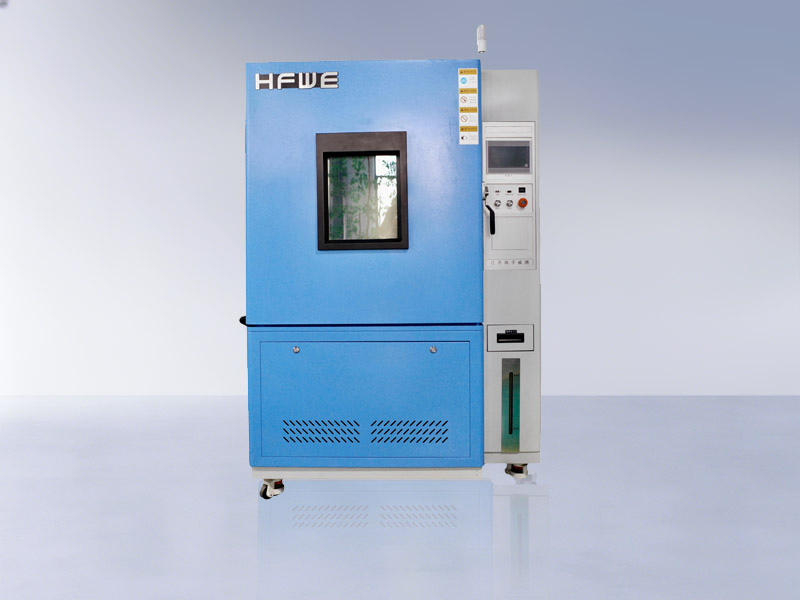
Haifuwei's Industry Oven shows how far this configuration can go. You choose between forced-air drying and natural convection models. Forced-air circulation suits rapid heating and heavy loads. Natural convection suits gentle drying where airflow could disturb the product. Capacities run from 55L to 500L, and the company also builds customized sizes and non-standard designs. The temperature range reaches RT+10°C to 200°C, with a maximum of 300°C. Display resolution is 0.1°C, and uniformity holds at ±2.0°C at 100°C. You can add data loggers, communication ports, and other options to match your records and controls.
Matching Unique Process Applications
Application fit is the real test. Consider a electronics plant that cures conformal coatings on populated boards. It needs even airflow and tight uniformity across a wide shelf. A forced-air OEM unit with a custom rack layout fits that job well. Now consider a small lab drying chemical samples in glass dishes. A standard natural convection oven at a modest capacity often serves that need at lower cost and with faster delivery. Neither choice is wrong. The right answer depends on how closely your process tracks a catalog specification.
Standard ovens fit best when your loads are small, your temperature needs are common, and your process tolerates the manufacturer's fixed airflow pattern. OEM builds fit best when part geometry, ramp rates, or documentation requirements fall outside that envelope. Map your process against both paths before you decide. List your part sizes, your peak temperature, your uniformity target, and your record-keeping needs. If a standard model clears every item, take it. If one item fails, OEM configuration usually costs less than reworking your process around the oven.
Cost and Efficiency Advantages
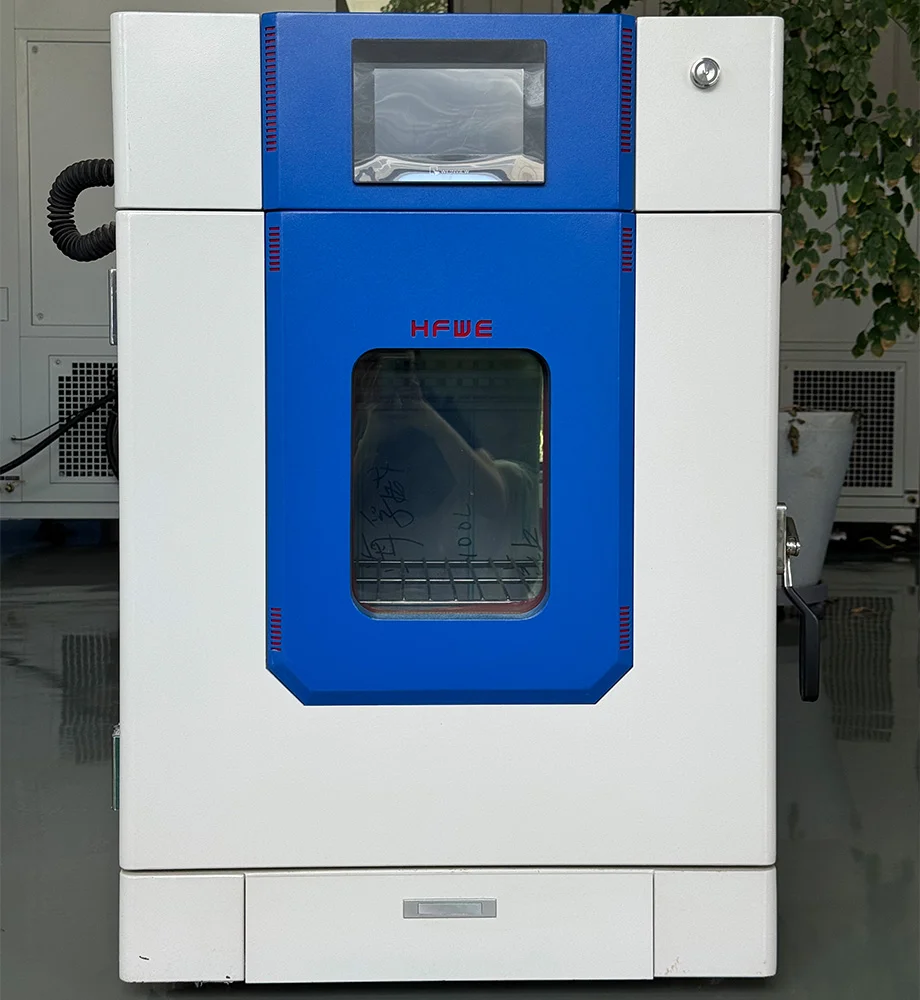
Cost rarely comes down to the sticker price alone. You pay for the oven, then you pay again for every workaround your process needs. OEM design attacks both numbers at once. It trims the build to your actual requirements and removes the hidden costs of forcing a standard unit into a job it was never designed for.
Optimized Design, Less Waste
A custom build lets the industrial oven manufacturer size the chamber to your load. You avoid paying for interior volume you never fill. You also avoid the opposite problem: a chamber too small for your batch, which forces extra cycles and burns energy on every run. Right-sized heating elements and airflow paths bring another gain. A unit matched to your thermal load reaches setpoint without overshooting, so you waste less heat and less time per cycle.
Streamlined manufacturing adds to the savings. OEM production runs on your approved design, so the factory builds the same configuration repeatedly. Repeatable builds mean fewer engineering changes mid-run, fewer scrapped parts, and shorter lead times on reorders. You also cut waste inside your own plant. A chamber that fits your parts reduces rework from uneven heating, and tighter uniformity protects finished goods from rejects. Haifuwei's Industry Oven illustrates the point. Uniformity of ±2.0°C at 100°C and 0.1°C display resolution give you a stable, repeatable cycle. Stable cycles mean fewer failed batches and lower scrap.
Factory-Direct Pricing and Total Cost
Buying straight from the factory removes the middleman margin. You deal with the builder on specification, price, and delivery. That direct line also shortens the feedback loop. When a question about a control option or a port comes up, you get an answer from the people who design and assemble the unit.
Total cost of ownership deserves the same scrutiny. Add up energy use per cycle, maintenance intervals, spare parts, and downtime risk. An OEM unit configured for your duty cycle often wins on that full ledger, even when its purchase price sits above a catalog model. Keep the comparison honest, though. A standard oven is often the lower-cost fit for simple, low-variation needs. If your loads are small, your temperature needs are common, and your process tolerates a fixed airflow pattern, a catalog model delivers solid value with faster delivery. Choose OEM when the savings from fit, repeatability, and reduced rework outweigh the higher upfront spend.
Performance and Quality Assurance
Engineering Expertise in OEM Design
Reliability starts on the drawing board. An OEM build puts engineers on your specification from day one. They review your thermal profile, your load pattern, and your airflow needs. Then they translate those inputs into heater sizing, fan selection, and control logic. You get a design that targets your process instead of a generic compromise.
That engineering support continues past the drawing stage. Expect design reviews, prototype validation, and clear documentation of the final configuration. Haifuwei's Industry Oven shows what this looks like in practice. The unit holds ±2.0°C uniformity at 100°C and displays temperature to 0.1°C. The range reaches RT+10°C to 200°C, with a maximum of 300°C. Those figures come from a builder with over 20 years of technical experience. Treat them as a benchmark for the kind of precision you should demand from any OEM partner.
Quality Control from Prototype to Production
Precision manufacturing turns a good design into a dependable machine. Look for controlled chamber construction, consistent insulation, and calibrated controls. Each of these details affects how evenly your oven heats and how long it holds setpoint. A builder with strong process discipline checks them at every stage.
Rigorous testing closes the loop. A serious OEM partner validates the first article against your specification before mass production begins. Temperature uniformity mapping, control calibration, and a full functional run should all happen before the unit ships. Ask for the test records. They tell you whether the oven meets your uniformity target in the real chamber, not just on paper. Haifuwei states that every oven undergoes strict quality control and ships with comprehensive after-sales support. That combination of engineering input and verified testing is what separates a reliable industrial oven manufacturer from a catalog supplier.
Regulatory Compliance Support
Meeting Standards and Certifications
Compliance work starts long before your oven ships. Your market sets the rules: electrical safety, electromagnetic compatibility, and any process-specific documentation your customers audit. An OEM partner builds those requirements into the design phase. You state the markets you serve, and the manufacturer selects components, wiring, and controls that meet the applicable rules. That early alignment saves you from retrofitting a finished unit.
Ask your industrial oven manufacturer for the compliance evidence up front. Request test reports, component certificates, and a clear statement of which standards the build targets. Haifuwei backs its Industry Oven with over 20 years of technical experience and strict quality control on every unit. Treat that track record as a starting point, not a finish line. Confirm the paperwork matches your market before you sign off on the design.
Compliance: OEM vs. Standard Ovens
Standard ovens usually arrive with certifications for common markets already in place. That ready-made paperwork speeds your purchase when your process fits a catalog model and your market accepts the listed approvals. You inherit the manufacturer's compliance work at no extra engineering cost.
OEM builds demand more of your attention, yet they offer more control. You can specify components and documentation that match your audit trail, your customer requirements, and your export destinations. The trade-off is effort: you review the compliance plan and verify the records. Choose the standard path when its existing certifications cover your needs. Choose OEM when your market, your customers, or your process demand documentation a catalog unit cannot supply. Either way, put compliance on your checklist before price. A cheaper oven that fails an audit costs far more than the savings.
Scalability and Partnership
Growing with an Industrial Oven Manufacturer
Your first oven order rarely stays your only one. Demand grows, product lines shift, and your process matures. A partner built for scale keeps pace with that change. Mass production capability means the factory can move from a validated prototype to repeat builds without redesigning the unit each time. You get consistent ovens across every expansion, so a cycle proven in one plant transfers to the next.
Vertically integrated manufacturing strengthens that consistency. When one team controls chamber fabrication, assembly, and testing, fewer handoffs create fewer chances for variation. Haifuwei's Industry Oven range, from 55L to 500L, shows how a single platform scales across different production volumes. You can start with a modest chamber and add larger units as throughput climbs, all under one design language and one support relationship.
Design support works best as an extension of your own team. Share your process data, and the industrial oven manufacturer turns it into engineering decisions. That collaboration shortens every future project, because your partner already knows your loads, your tolerances, and your audit requirements.
Ongoing Support and Lifecycle Service
An oven earns its keep over years of daily cycles. Aftermarket service protects that investment. Look for spare parts availability, calibration support, and clear maintenance guidance. Ask how the builder handles a control failure or a heater replacement. Fast response keeps your line running and protects your delivery commitments.
Lifecycle thinking pays off at every stage. A partner with over 20 years of technical experience has likely seen your failure modes before. That history shortens troubleshooting and guides sensible upgrades. Plan your service agreement before the oven ships, not after the first breakdown. A strong partnership turns a single purchase into a long working relationship.
Weigh your decision against five criteria: customization, cost efficiency, performance and quality, compliance support, and scalability. An OEM-capable industrial oven manufacturer builds the chamber around your parts, your thermal profile, and your audit trail. That fit cuts rework, trims energy waste, and protects your finished goods. Verified testing and documented compliance keep your line running and your customers satisfied. A scalable partner grows with your throughput instead of forcing a redesign at every expansion.
Both paths have their place. A standard oven serves simple, low-variation needs well and often costs less up front. Choose OEM when application fit and long-term needs outweigh the higher initial spend. Match the oven to your process, and the investment pays back cycle after cycle.
FAQ
How long does an OEM oven build take compared with a standard model?
Expect a longer timeline for a custom build. Your project moves through design review, prototype validation, and testing before production starts. A standard oven ships from existing stock. Ask your industrial oven manufacturer for a written schedule at the quote stage, then plan your launch around it.
Can I order a small batch, or does OEM work require high volume?
Volume requirements vary by builder, so raise the question early. Many OEM programs start with a single validated unit and scale from there. Haifuwei's Industry Oven range spans 55L to 500L, which lets you begin at a modest capacity and add larger chambers as demand grows.
Should I pick a standard oven or a custom build?
Match the oven to your process. Choose a standard model when your loads are small, your temperature needs are common, and fixed airflow works for you. Choose OEM when part geometry, ramp rates, or documentation fall outside a catalog specification. One failed requirement usually justifies the custom path.
What options can I add to a custom oven?
Configuration depends on your process. Haifuwei's Industry Oven supports forced-air or natural convection airflow, customized sizes, and non-standard designs. You can add data loggers and communication ports for records and controls. State your uniformity target and record-keeping needs, and the builder maps them to a specification.
What support comes after delivery?
Ask about spare parts, calibration, and response times before you buy. A partner with over 20 years of technical experience has likely seen your failure modes already, which shortens troubleshooting. Lock in a service agreement before the oven ships, not after the first breakdown.